Nail colors for short nails, work and date night
Build a clear three-color palette and adapt it to your nail length and occasion.
Practical nail color guides for short nails, office looks, date nights and seasonal palettes, with five-finger layouts and notes for your nail artist.
Choose a guide by occasion, nail length or season. Each guide separates screen color references from real polish results, so you can use the ideas as a brief and confirm the final shade on a physical swatch.
Each guide starts with a direct answer, then visual references and relevant tools. Find birthday, lucky-color and date topics in the problem directory below.
Choose the route closest to your situation and work through it in order. These are color and communication steps, not fortune predictions or salon quotes. Skip completed steps; the route is not a reason to redo a manicure.
Compare one light outfit, one dark outfit and a print you actually wear. Choose main and support colors before changing shape and finish at the same time.
Open step 1 resourceTake only two candidates to compare as physical samples. Record light and actual coverage; a screen preview cannot replace a sample.
Open step 2 resourceUse the slate-and-cream example to compare area inside a nail. Keep solids if preferred; reduce accent count on short nails.
Open step 3 resourceDone when: you can name the main color, coverage, actual length and one unwanted effect. Mark an untested color “swatch pending” instead of treating it as final.
Assign each photo a purpose: color, shape or motif. Omit details you do not want copied.
Open step 1 resourceFor letters or upright motifs, label tip, cuticle and each hand. Confirm rotation separately from mirroring.
Open step 2 resourceSpecify all ten nails, copy or download the brief and ask the artist to confirm materials, time and total.
Open step 3 resourceDone when: neither hand relies on an ambiguous “same as the photo.” Mark unconfirmed items as pending; the worksheet does not make a booking.
Compare four requirements in the old and new versions. A blank new field does not mean deletion; ask about missing details.
Open step 1 resourcePrepare the original scope, fewer accents or a palette-only fallback. Do not assume the original price and duration still apply.
Open step 2 resourcePut the agreed version back into the final card, keep your own copy and ask whether the changed appointment is feasible.
Open step 3 resourceDone when: you know which version is final, what was accepted and what still awaits a reply. Allow preparation time for a wedding or photos; editing your own card is not salon approval.
For a wedding trial, confirm the version too: Use the wedding trial checklist · Search for one specific problem
Search with English or Chinese keywords in either language version, then open the relevant layout, worksheet or salon card directly. This filters the directory on this page, not the web. Clear the query to browse everything if nothing matches.
All 98 resources
Separate service positions from art nails and motif counts before confirming scope.
Specify the graphic category, reference and short-nail simplification.
Compare color, browser grayscale and accent area before a real test shot.
Record hand roles and preserve playing constraints before choosing colors.
Compare corners, gaps and motif count at actual short length.
Specify exact text, order, reading viewpoint and short-nail fallback.
Compare link count, direction and flat versus raised requirements.
Compare contour detail, leaf count and short-nail fallback.
Compare alternating cells, tonal intersections and crossing bands.
Compare curved tips, detail gaps and motif counts.
Compare three asymmetric markers and record both hands.
Compare repeat count,filled side and short-nail fallback.
Compare motif boundaries, repeats and short-nail alternatives.
Compare motif contours, openings and practical placement.
Use three caption examples and four source/purpose notes.
Compare three original shapes and short-nail tradeoffs.
Compare direction, endpoints and both-hand instructions.
Compare three original grids and five-finger plans.
Compare three original layouts, finger assignments and motif counts.
Fill two scope records before comparing totals; no automatic price estimate.
Compare three original placements and count rings separately from nail motifs.
Compare three original two-hand short-nail plans and pattern counts.
Compare three frames, whole-image fit and a four-step posting check.
Compare owned AI references, simplified five-finger plans and short-nail tradeoffs.
Compare gaps, patch placement and per-hand accent counts.
Specify footprint, bead count and side-view relief before the appointment.
Compare vertex depth and fill on the same short-nail proportions.
Compare colored veils above sparkle without assuming coat count or product compatibility.
Compare irregular fleck spacing and short-nail coverage without assuming real stone.
Separate shell outlines, surface relief and material placement on short nails.
Compare radial petals, a cup head and curled inner lines before choosing placement.
Compare a complete fish, split accents and a no-fish ripple fallback.
Compare uneven bands, tapered marks and short-nail gaps with outfit context.
Compare three short-nail wash layouts, base visibility and accent counts.
Compare sweater-inspired patterns, short-nail simplification and flat versus raised details.
Compare connected panes, partial tips and separated pieces on short nails.
Compare baby boomer transitions and three short-nail layouts.
Compare clover leaf count, horseshoe opening and eye layers with short-nail fallbacks.
Compare quiet nude, red-brown contrast and tonal black with owned references and short-nail plans.
Compare frosting edges, three sprinkles and one candle with short-nail fallbacks.
Identify palette, map or written draft locally and choose the matching preview.
Choose fixed Chinese–English boundary phrases and save an offline discussion card.
Separate stock status, physical samples and which fingers may change.
Compare three two-hand plans without assuming mirrored lengths or art.
Read all five owned theme references and choose a reduced short-nail cue.
Study three owned AI references, then plan short nails without guessing finger identity.
Compare texture geometry, cropped panels and readable gaps at actual short length.
Compare boundaries, sky-base visibility and two- or four-nail placement.
Separate motif, reflective material and photo effects; save a sample-check list.
Choose color direction, desired coverage and accent count; copy an original salon brief.
Compare eyes, mouth gaps and reading direction on original short-nail plans.
Separate flat components, tooth count and short-nail fallback.
Compare original short-nail music icons and readable-score requirements.
Compare three original short-nail shapes without promising wealth or luck.
Add left/right units and chosen spares; distinguish unknown stock from zero.
Compare four original layouts before choosing a decal and base color.
Compare rows of text, one clear word and abstract typesetting before choosing short-nail detail.
Distinguish non-code artwork, a whole-symbol candidate and an off-nail fallback; confirm clear borders and the actual destination.
Separate clothing color from flat seam and pocket motifs; compare three original short-nail plans.
Compare a seven-column heart, a five-column redraw and a stepped fragment before choosing short-nail detail.
Compare motif units, finger counts and alignment before choosing a short-nail layout.
Compare clusters, edge fragments and a larger patch on short nails.
Pick five pixels, export colors to the ten-finger map, then confirm physical swatches.
Record each finger for the exact style before assigning art; download a blank TXT sheet.
Compare base, angle and lighting separately, then choose two or ten effect nails.
Compare one-nail or split lettering, and count repeated characters across both hands.
Check confirmed duration,transfer and chosen buffer; blanks remain unknown.
Arrange colors, save editable maps, or compare two versions finger by finger.
Compare actual lighting conditions and short-nail effect areas.
Separate fixed requests, bounded freedom and questions in a local scope card.
Compare cherry, citrus and strawberry on actual short nails.
Compare tip, side and panel patterns against your dress.
Compare line spacing, a tip band and a short-nail fallback.
Compare side profile, short-nail footprint and a flat fallback.
Add numbered notes without uploading; download an annotated WebP.
Compare irregular patch scale, base coverage and accent count.
Mark where the border runs and stops on each hand.
Validate a screen code without treating it as a polish shade number.
Compare dress fabric, clutch handling and corsage-hand placement.
Compare school-color accents, stole colors and diploma-photo placement.
Bring map colors into finger entries, save a written draft, or compare versions.
Choose fallbacks and check a confirmed per-nail or per-set quote.
Assign source roles, generate a text brief, or make a local two-image board.
Record two actual samples, lighting and clothing preferences.
Compare coverage before selecting decoration.
Compare light, dark and printed clothing with one palette.
Check rules, comfort and video appearance before reworking.
Keep shared color with separate designs and service requirements.
Record the version, keep list, change and final agreement.
Compare plain ring nails and nearby accents.
Separate color inspiration from material effects.
Compare centered bows, side bows and simple ribbons.
Compare thin, wide and diagonal tip proportions.
Reduce spot count and patterned area.
Choose one curve, side curves or two accents.
Choose a main vein or a small texture area.
Specify direction, density and real material samples.
Compare finish placement using the same base.
Adapt each option to your actual length, clothes and physical swatches. Filtering and clearing happen on this page and do not create bookings, orders or personal fortune results. All links remain available with JavaScript disabled.
Choose an outfit color family and contrast preference for an original editorial layout. This planner does not analyze a photo, birthday or luck and does not use a paid generation.
Default: soft rose and beige with a dark outfit. Enable JavaScript to switch layouts, or continue with the guides below.
HEX values communicate screen direction. Physical polish, base color, lighting and finish change the result; compare samples for metallic, cat-eye or chrome effects. For a patterned outfit, choose one dominant color rather than copying every pattern.
Explain a reference image · Narrow down your next nail color
There is no rule requiring the ring finger. Start there if you want to echo a ring, or try the thumb if you want the detail visible while holding a cup. Choose by your actual nail surface and preference; placement does not define relationship status or luck.
Begin with four supporting-color nails and one main-color nail, then decide whether to add one small detail. Use a solid accent on a small surface instead of squeezing in long-nail art. Both hands can echo the same color without identical placement.
Compare shapes and color balance · Coordinate two different sets
Build a clear three-color palette and adapt it to your nail length and occasion.
Try burgundy, chocolate brown or blue-gray with exact suggestions for each finger.
Compare warm, cool and neutral choices without turning undertone into a rigid rule.
Adjust color placement for round, oval, almond, square, squoval and coffin nails.
Coordinate nails with a dress code, jewelry and photography—from sheer neutrals to color.
Separate visible details, hidden surfaces and short-nail adaptations.
Three paired layouts for different lengths and preferences.
Turn a beauty-trend question into three practical red-nail layouts.
Three party palettes with five-finger diagrams and a personal motif.
Three original intention palettes, finger layouts and a salon brief.
A getting-ready checklist that connects your manicure to the occasion.
Three palettes, five-finger layouts and outfit pairings.
Choose practical designs for formal, business-casual and creative workplaces.
A practical starting point when you have an occasion but no color in mind.
Pick one main color, one supporting neutral and one small accent. Then decide which fingers carry the accent and whether the finish is solid, French, cat-eye or a fine line. EssaColor can turn your month and wishes into three additional palettes with downloadable color cards and production notes.
8 picks, 8 available now; prices are set by the store.
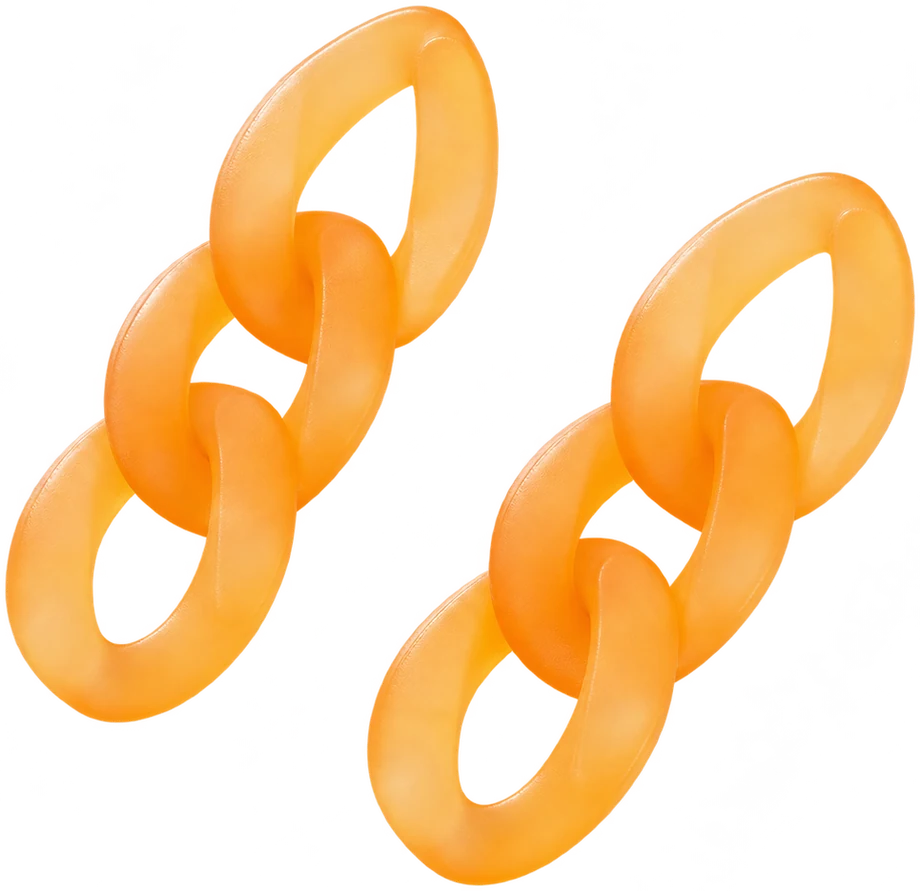 Available
Candy-orange chain-link earrings.
Buy · $25 →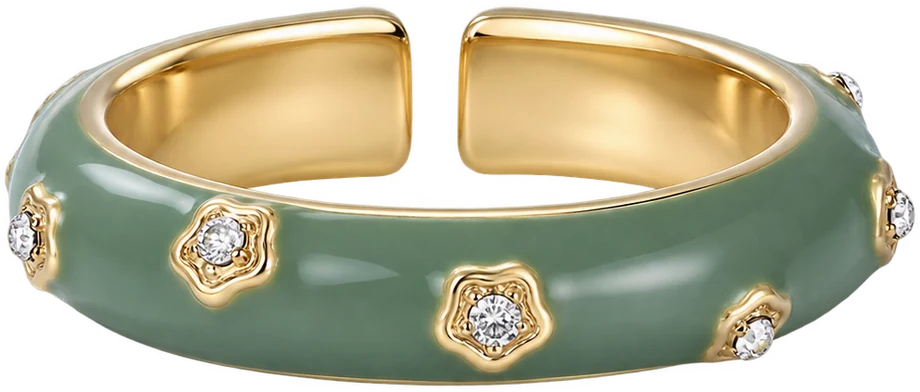 Available
Gold band rings dripped with colourful enamel.
Buy · $25 →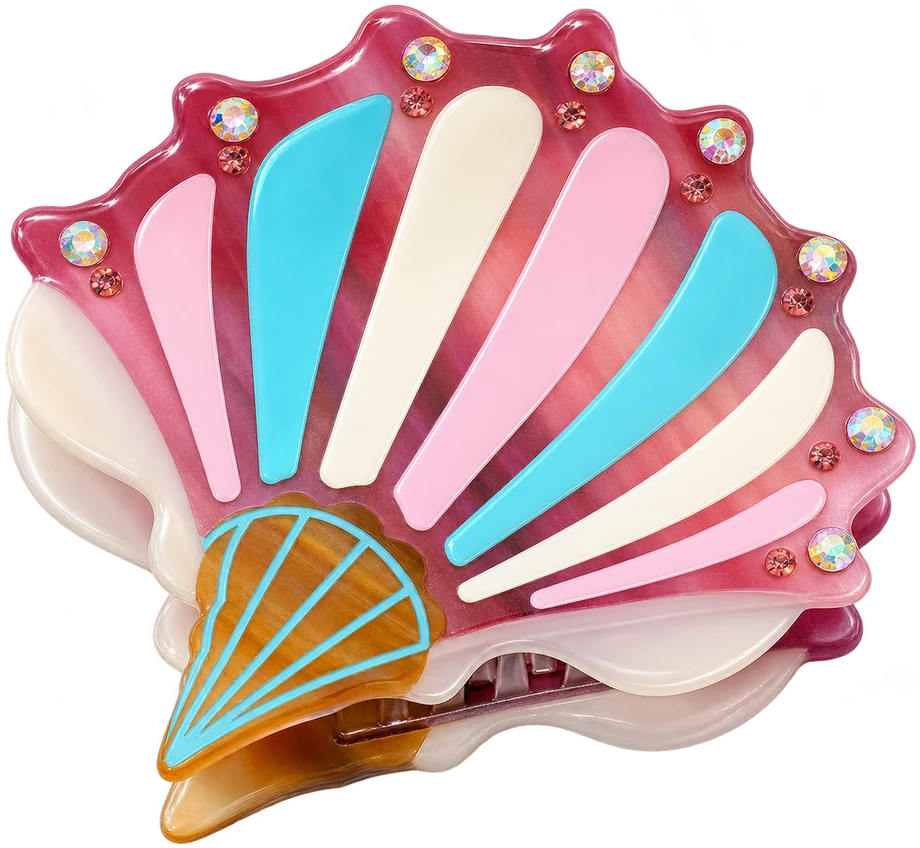 Available
A rainbow seashell hair claw with a rhinestone rim.
Buy · $30.99 →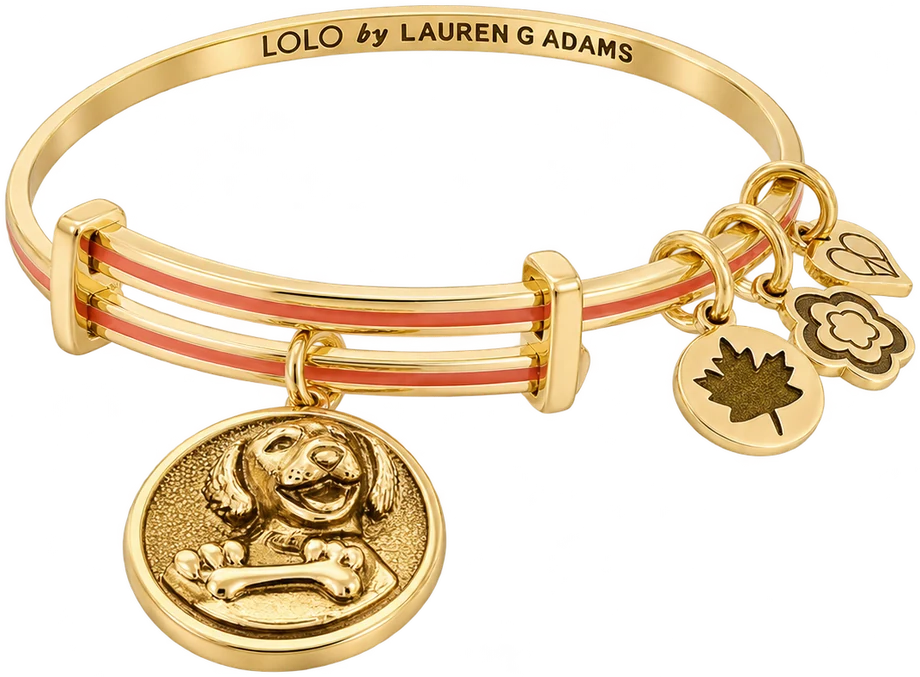 Available
An adjustable gold bangle with a puppy charm.
Buy · $49 →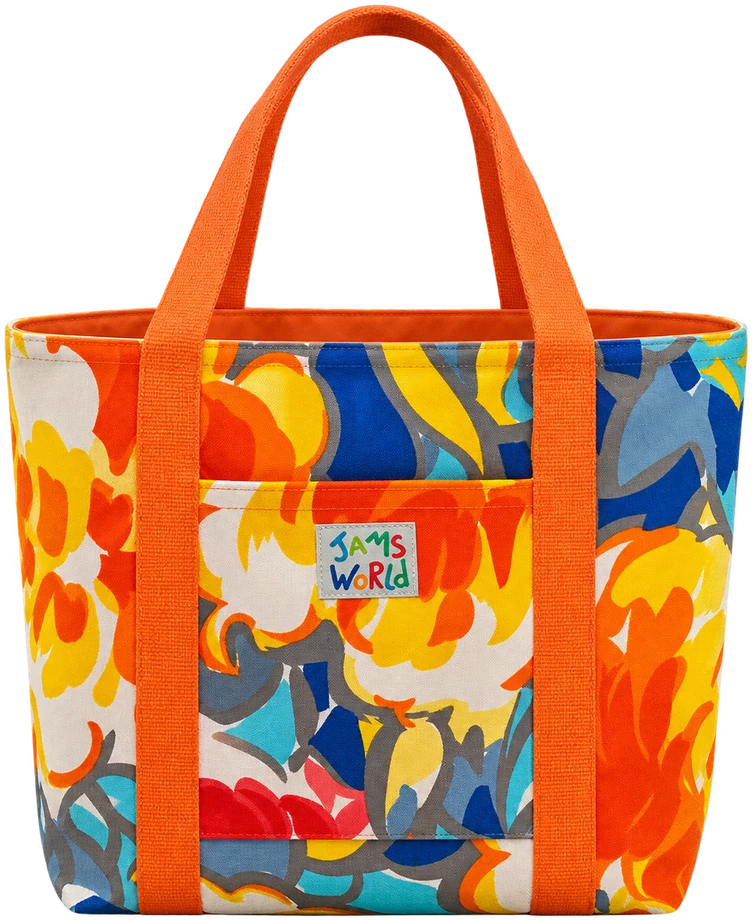 Available
A bright floral lined tote in sunny oranges and blues for weekend escapes.
Buy · $50 →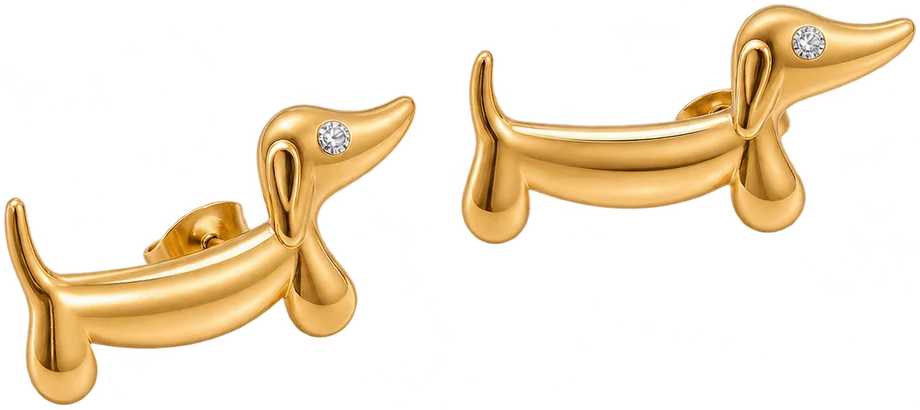 Available
Gold dachshund stud earrings.
Buy · $52.57 →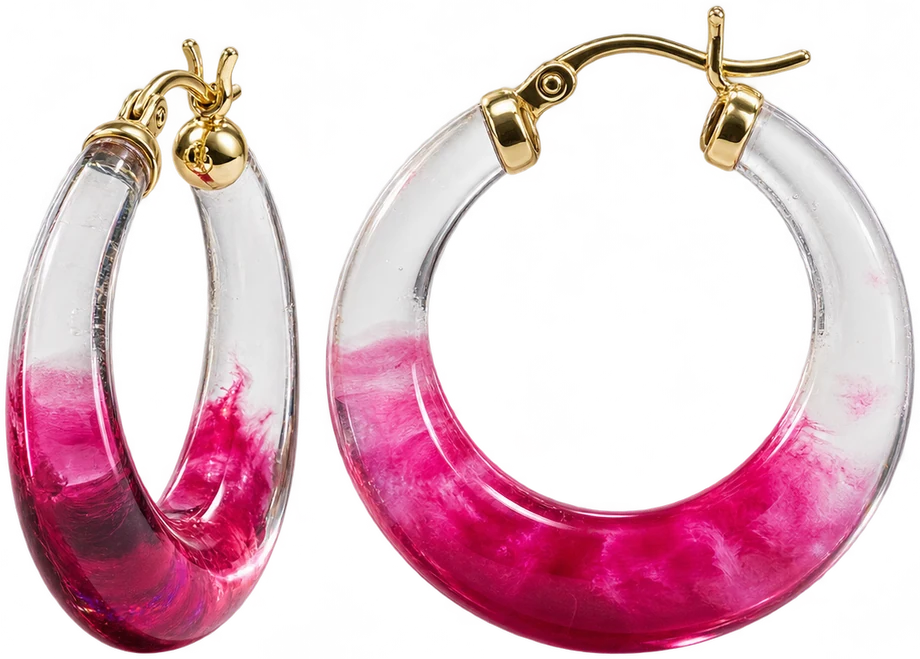 Available
Hand-painted graduated lucite hoops in fuchsia.
Buy · $53 →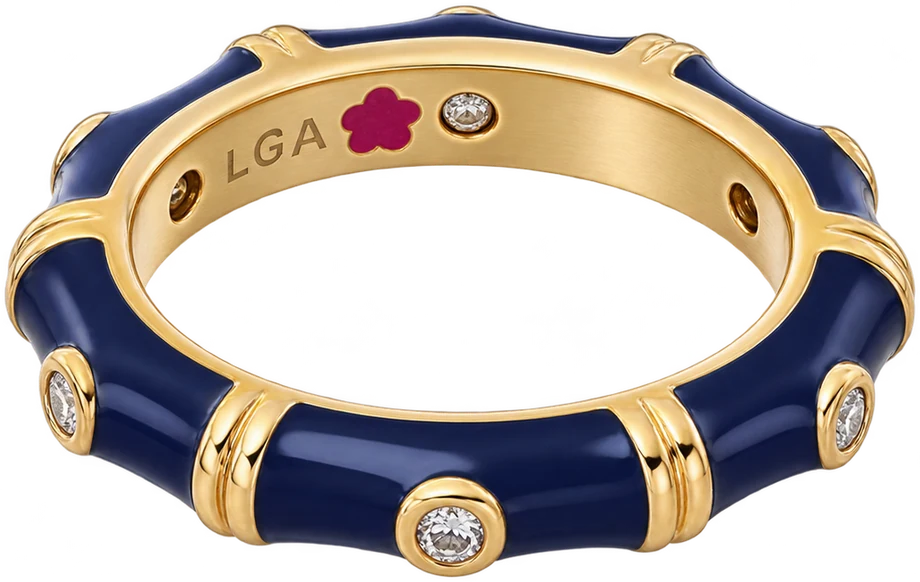 Available
A navy enamel stacking ring dotted with colourful crystals.
Buy · $66 →