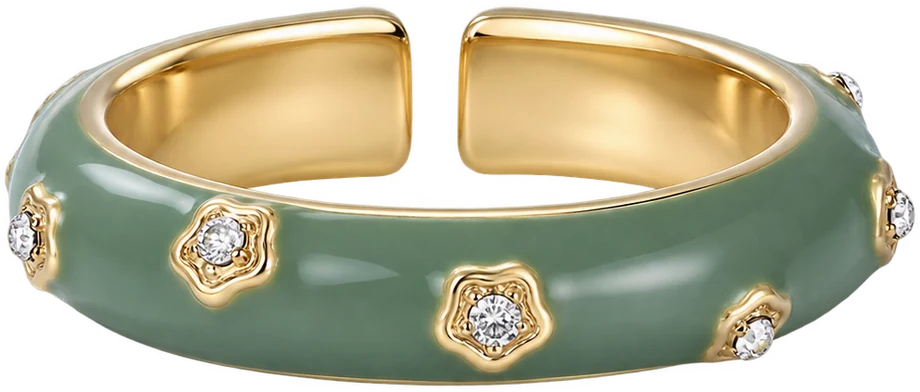
 Available
Chroma Drip Enamel Band Rings
Gold band rings dripped with colourful enamel.
Wealth★★☆☆Calm★☆☆☆Love★★☆☆Career★★★☆
Buy · $25 →Caishen (財神), the Chinese God of Wealth, is a title associated with more than one figure. Common civil wealth deities include Bi Gan and Fan Li. Military wealth deities include Zhao Gongming and Guan Gong. A National Museum of Taiwan History record explains the title through a role connected with wealth, helping distinguish that role from the identity of a particular depicted person.
This is the complete English reading counterpart of our Traditional Chinese Caishen guide, with a further hypothetical label-reading exercise. Its museum and folklore references below are in Traditional Chinese. The scope is Chinese folk-belief terminology and reading named objects, rather than every culture's wealth deities, worship instruction or a financial prediction.
First ask whether a label names a type, an individual or a group. The table summarizes the Taiwan museum and folklore sources cited here. A particular locality, temple or text may describe its categories differently.
| Label | Figures and reading cue |
|---|---|
| Civil · 文財神 | Bi Gan and Fan Li are common examples. Academia Sinica's object description also lists Wenchang Dijun, Caibo Xingjun and the Lu star. The category alone does not identify one person. |
| Military · 武財神 | Common examples are Zhao Gongming and Guan Gong. Check the work's title, attributes and institution's explanation before assigning an individual identity. |
| Five · 五路財神 | One grouping recorded in the Taiwan folklore dictionary combines Zhao Gongming with four attendants associated with treasure, valuables, wealth and profitable trade. A group of five still needs its own source description. |
Compare Academia Sinica's Caishen record, the Taiwan Historica dictionary entry for Military God of Wealth, and its entry for paper offerings depicting the Five Wealth Gods. The last title describes an object category in that dictionary. Citing it here does not prescribe an offering.
The folklore dictionary introduces Zhao Gongming as Zhao Gong Yuanshuai, or Marshal Zhao, and describes his background as a Daoist protector. The National Museum of Taiwan History's wooden sculpture record uses Xuantan Marshal in identifying Zhao Gongming. Keep these source-connected names together in a figure note, then read how each source explains them.
Attributes described by the dictionary include military clothing, a full beard, an iron whip, an ingot and a black tiger. It also notes seated images. These are clues for looking, not a substitute for the object's title and provenance. A cropped image showing only an ingot cannot establish a complete identification.
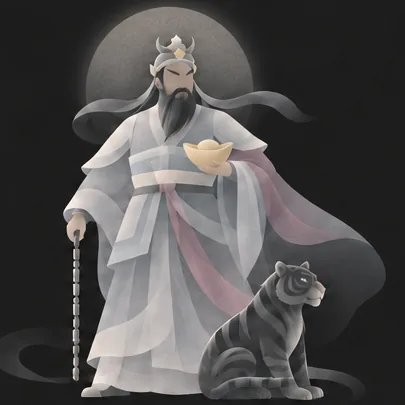
Preserve differences between accounts. The dictionary entry about Five Wealth Gods paper offerings discusses the grouping in relation to the novel Fengshen Yanyi, often known in English as Investiture of the Gods, and records alternative names for some attendants. When two lists differ, retain their texts and local contexts before treating either as a universal standard.
For a first reading, understanding “Zhao Gongming with four attendants” is more useful than filling in an unsourced list from memory. To understand the group venerated by a particular temple, return to that temple's own introduction and the names attached to its images.
This National Museum of Taiwan History record explicitly identifies a wooden Zhao Gongming image. Its description notes military clothing, an ingot in the left hand and a raised steel whip in the right. Those attributes can be compared with the dictionary's description.
Also preserve what the record does not establish. Its historical period is listed as undetermined, and its maker and place of manufacture are unknown. Do not supply a dynasty or artist merely because the figure looks similar to another sculpture.
This other museum record retains the broader title “Stone God of Wealth.” It describes a seated figure in wide-sleeved clothing, holding an ingot in the left hand, and assigns the work to the Qing period. Its general discussion mentions several civil and military wealth deities. That discussion does not identify this particular stone figure as one of those named individuals.
“The explanatory text mentions Bi Gan” and “this sculpture depicts Bi Gan” are different statements. The first may introduce a whole category of belief. The second needs evidence identifying the object, such as its title or an inscription. Keep the two kinds of statement separate.
Imagine someone shares a cropped ingot-holding figure with the caption, “This must be Zhao Gongming, made in the Qing dynasty.” No source accompanies it. Choose what you can retain before opening the answer. This is a hypothetical example, not an assessment of a newly found object.
Record the visible ingot and the sender's caption separately. Identity, date and provenance remain unconfirmed. An ingot is not unique evidence for Zhao Gongming. The two actual records above also show why an object-specific date matters. The wooden Zhao Gongming record has an undetermined period, while the stone work has a Qing attribution and a broader figure title.
Retain the museum's broader title and its Qing-period information for that exact work. Do not upgrade the figure's identity just because the general description mentions Zhao Gongming among several wealth deities. Keep the accession number so another reader can check the same record.
Keep the card in your own notes. This page does not collect it or authenticate objects.
For a festival or visit, first identify the particular figure and temple. Check whether the notice uses lunar or Gregorian dates and names the applicable year. Current event arrangements belong to the organizer's announcement. This cultural introduction does not replace it.
On EssaColor, Zhao Gongming is one of the illustrations that rotate by consecutive date on Today, alongside public daily colors and the current public wallpaper. A figure appearing today is not a birthday determination or a personal financial forecast. Its wording expresses everyday good wishes.
For daily colors, browse the Eastern color library. For the site's traditional framework, read the Five Elements color guide. The Chinese gods overview gives broader context across named figures, while Guanyin's guide concerns a Buddhist bodhisattva. Keep each tradition and work's identification in its own source context.
EssaColor editorial team · Complete English reading counterpart of the Traditional Chinese Caishen guide, with an additional original hypothetical exercise. Linked Taiwan museum and folklore records are in Traditional Chinese. No museum image, paper-offering design or ritual text is reproduced. The existing first-party illustration is labelled separately.
8 picks, 8 available now. Prices are set by the store.
AvailableGold band rings dripped with colourful enamel.
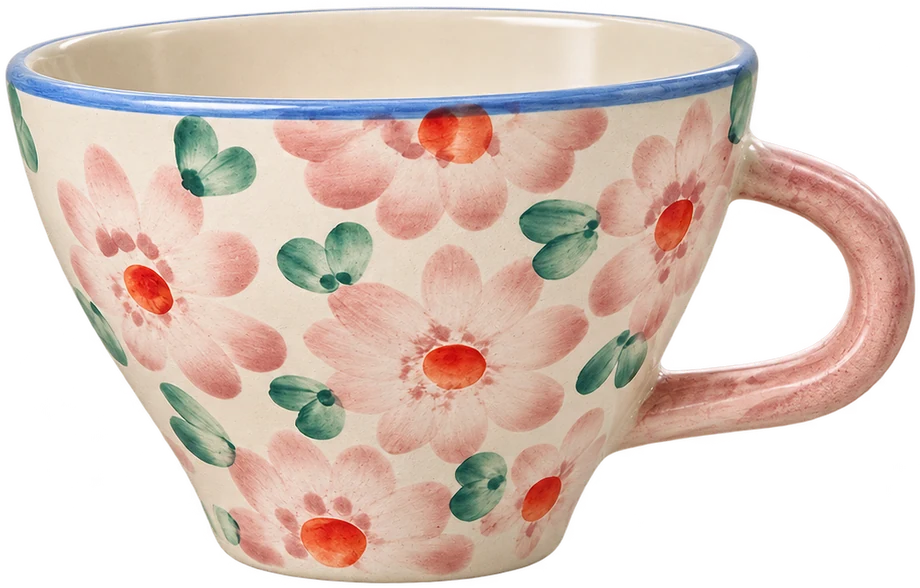 Available
A hand-painted ceramic tea cup scattered with pink flowers.
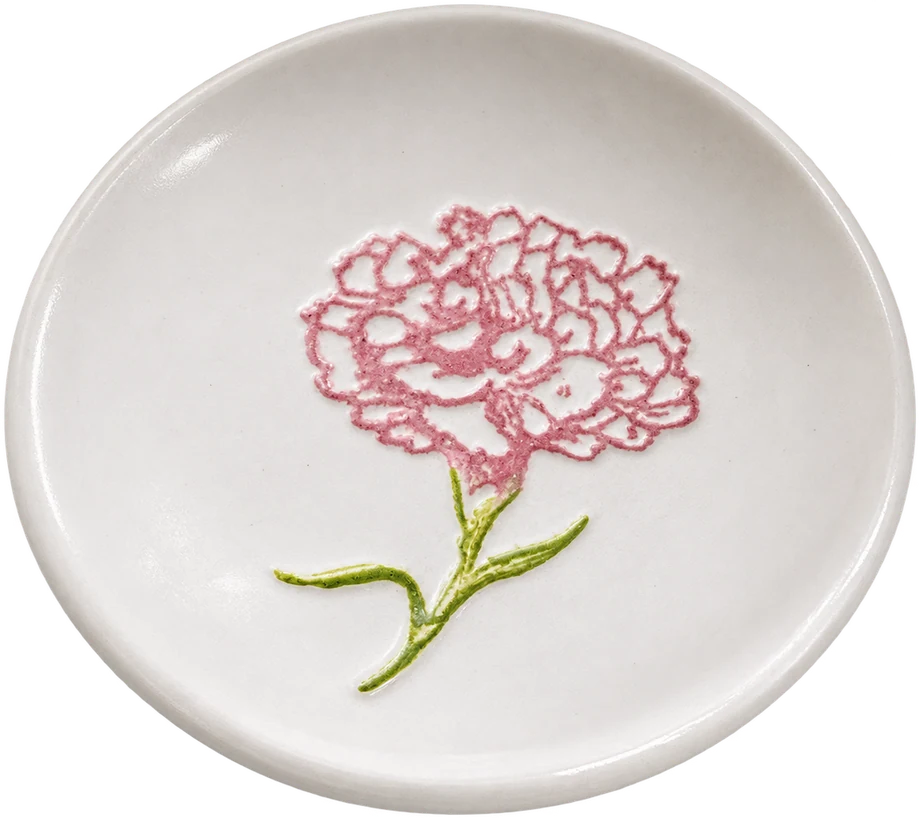 Available
A hand-painted ceramic ring dish with the recipient's birth flower.
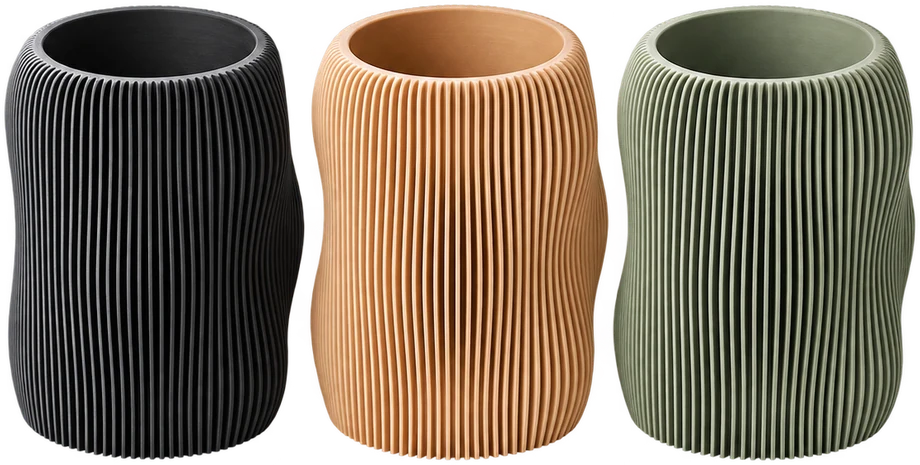 Available
A rippled ceramic pencil holder in earthy tones.
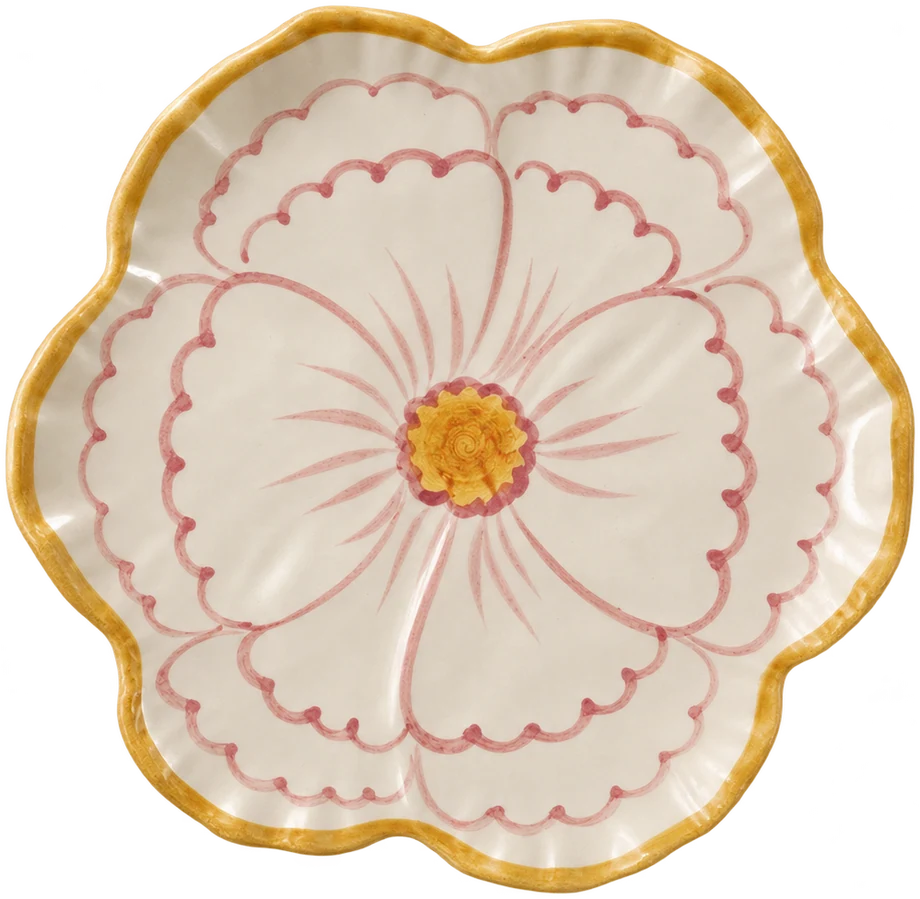 Available
A daisy-shaped ceramic side plate with a gold rim.
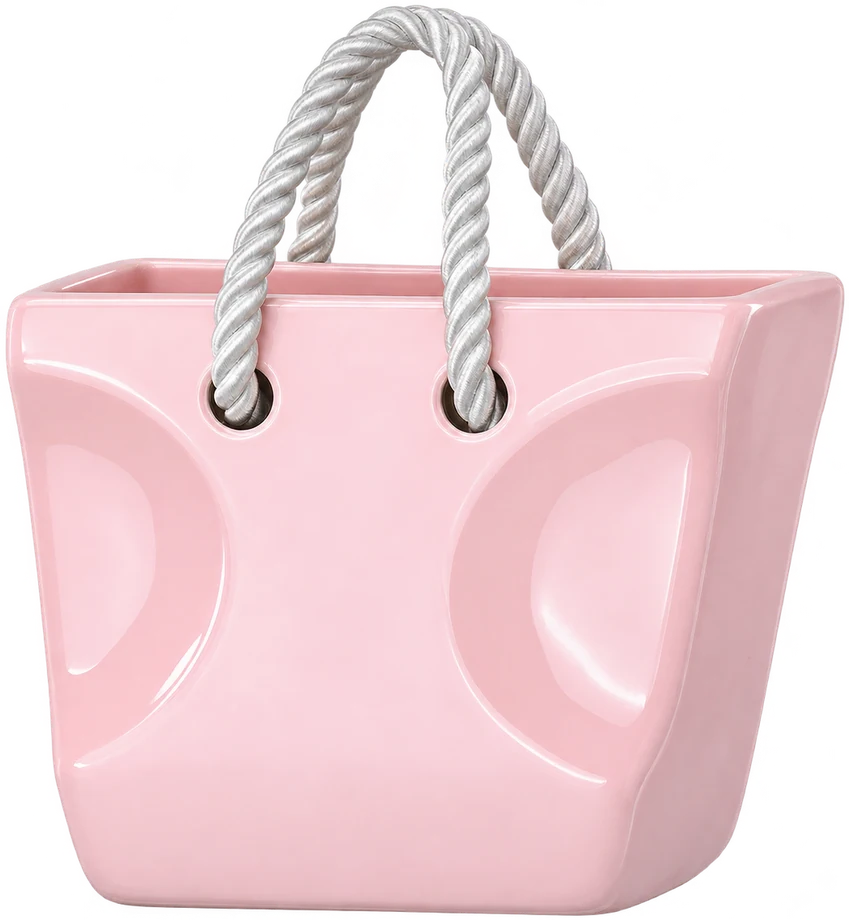 Available
A pink ceramic handbag vase with rope handles.
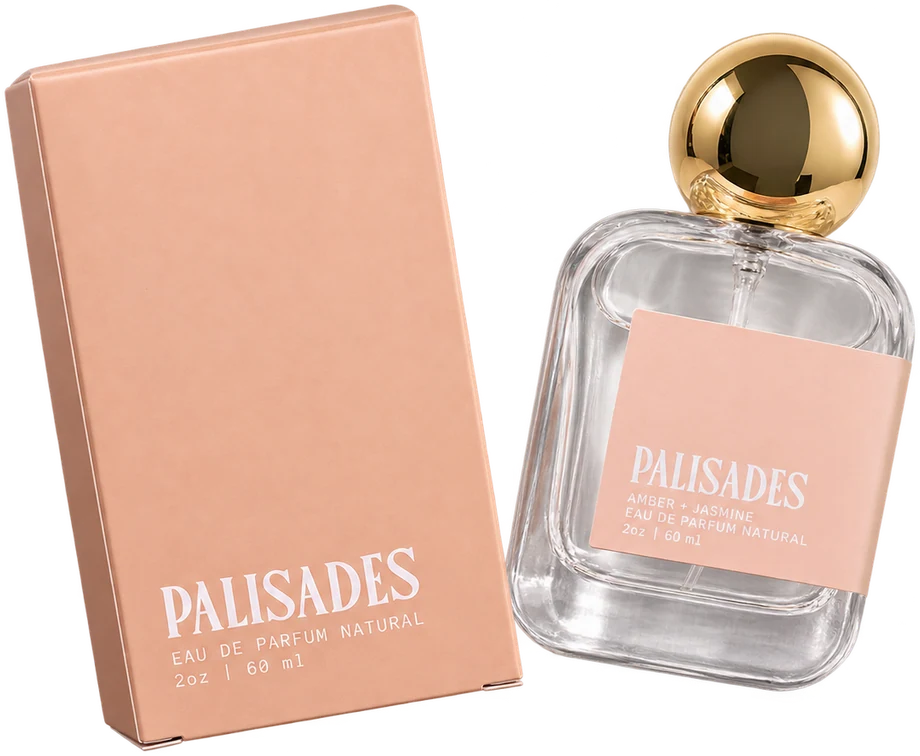 Available
A warm perfume in a peach box, a little reward for a win.
 Available
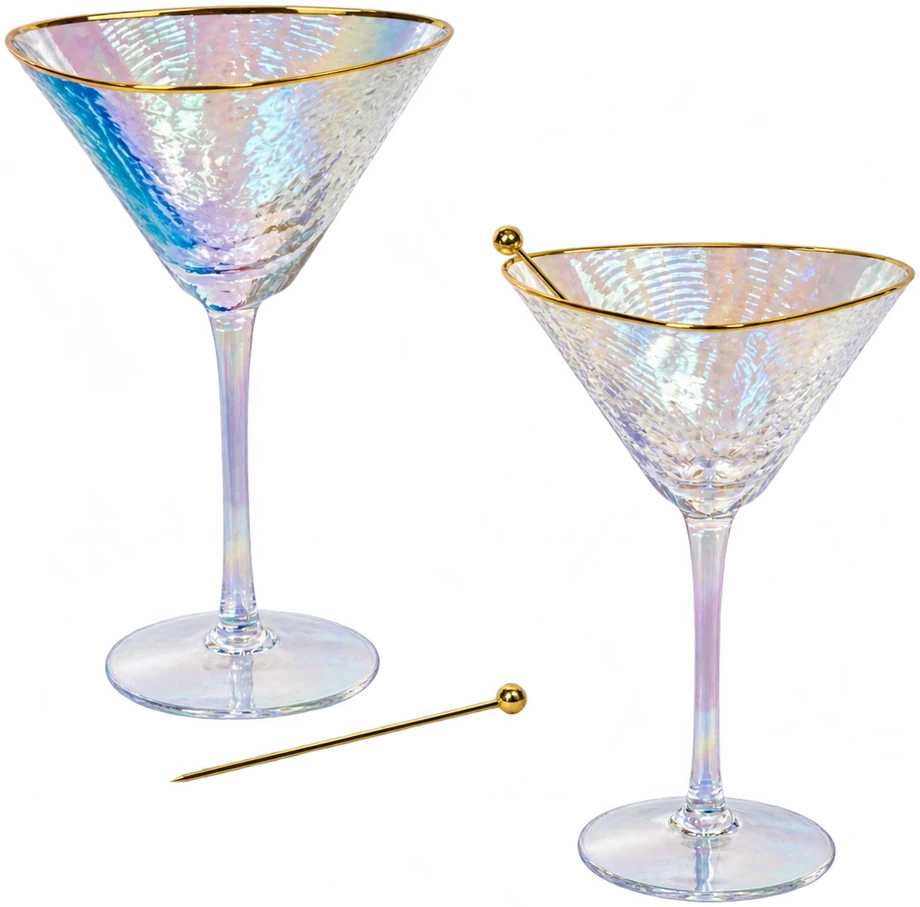
Iridescent hammered martini glasses with gold rims.