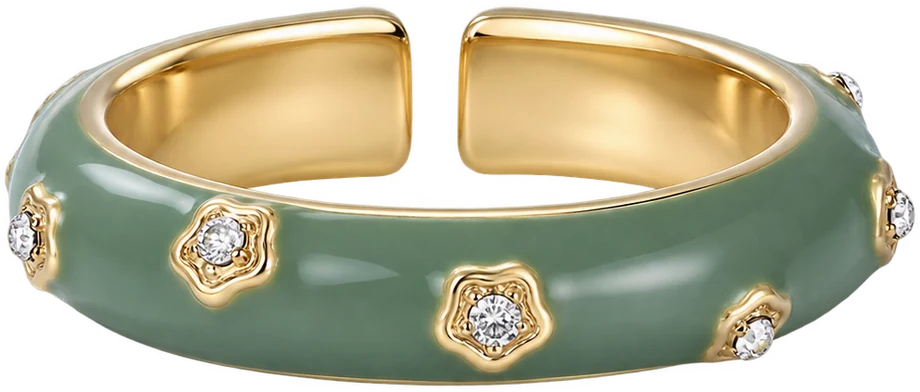
 Available
Chroma Drip Enamel Band Rings
Gold band rings dripped with colourful enamel.
Wealth★★☆☆Calm★☆☆☆Love★★☆☆Career★★★☆
Buy · $25 →Guanyin is the bodhisattva of compassion in Chinese Buddhism, associated with Avalokiteshvara. You may also see the name written as Guan Yin or Kuan Yin. Use these spellings to cross-reference the same figure across collection records. Getty’s iconography record lists these forms and identifies Guanyin within Chinese Buddhist tradition.
| Name you see | How to read it in context |
|---|---|
| Guanyin / Guānyīn | A Chinese name, written 觀音 in traditional characters and 观音 in simplified characters. |
| Guan Yin / Kuan Yin | Alternative forms found in English catalogues and writing. Search the work’s collection number to keep track of the exact object across spellings. |
| Guanshiyin | A longer Chinese name also listed by Getty. Seattle Art Museum explains Guanyin’s name through the idea of hearing the world’s prayers. |
| Avalokiteshvara | The Sanskrit name used in museum titles alongside Guanyin. It helps connect Chinese images to a broader Buddhist context. |
For an example of the meaning in a collection label, see Seattle Art Museum’s Guanyin. Keep the name beside its context: a museum catalogue, a temple explanation and a modern illustration may emphasize different aspects of the figure.
In the museum sources used here, Guanyin is identified as a bodhisattva. The Met’s overview of Chinese Buddhist sculpture distinguishes different Buddhist figures and describes Avalokiteshvara’s association with compassion. Within the museum’s explanation, bodhisattvas continue to be available to others despite their own enlightenment. A label saying “Guanyin” identifies a particular figure, while a general phrase such as “a Buddha statue” can leave that identity unclear.
Guanyin belongs to Buddhist tradition. When looking at a group of Chinese religious or mythological figures, check each figure’s own identification and source. A shared visual setting does not make all of them part of the same religious tradition. Our list of Chinese gods names places Guanyin beside Daoist and popular-religion figures and notes each one’s tradition.
Appearance varies across artworks. In its vase-and-willow painting, the Smithsonian’s National Museum of Asian Art explains Guanyin through both male and female elements. The label also describes the vase, willow and robe in that particular work. This helps explain why a feminine contemporary image cannot serve as a template for every historical representation.
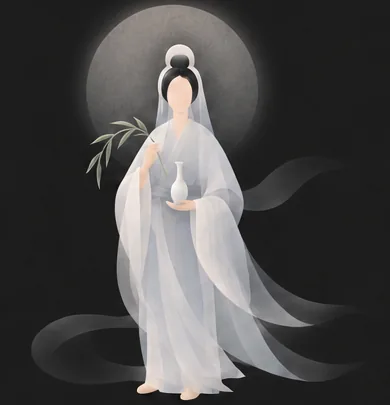
Open the collection records to compare the actual artworks. Each description below belongs to a named object. It is not a rule for identifying every unfamiliar image.
Guanyin is one of the figures in EssaColor’s date-based illustration rotation, so the figure on today’s screen may be different. The Today page offers public daily colors and the current public wallpaper for phone or desktop. The illustration’s changing fabric colors are part of the site’s styling experience. Use the museum records above to explore the figure’s cultural and religious context.
For colors themselves, explore the Eastern color library. For a separate introduction to the site’s traditional color framework, see the Five Elements color guide. Keep that styling framework distinct from the Buddhist identities described in the museum records.
EssaColor editorial team · Museum records checked November 5, 2026. This guide concerns cultural context and reading images.
8 picks, 8 available now. Prices are set by the store.
AvailableGold band rings dripped with colourful enamel.
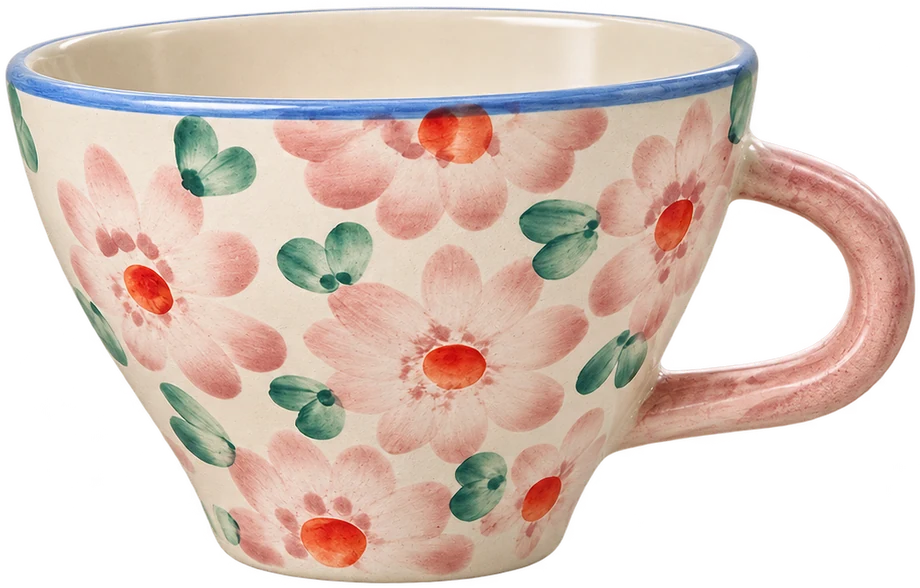 Available
A hand-painted ceramic tea cup scattered with pink flowers.
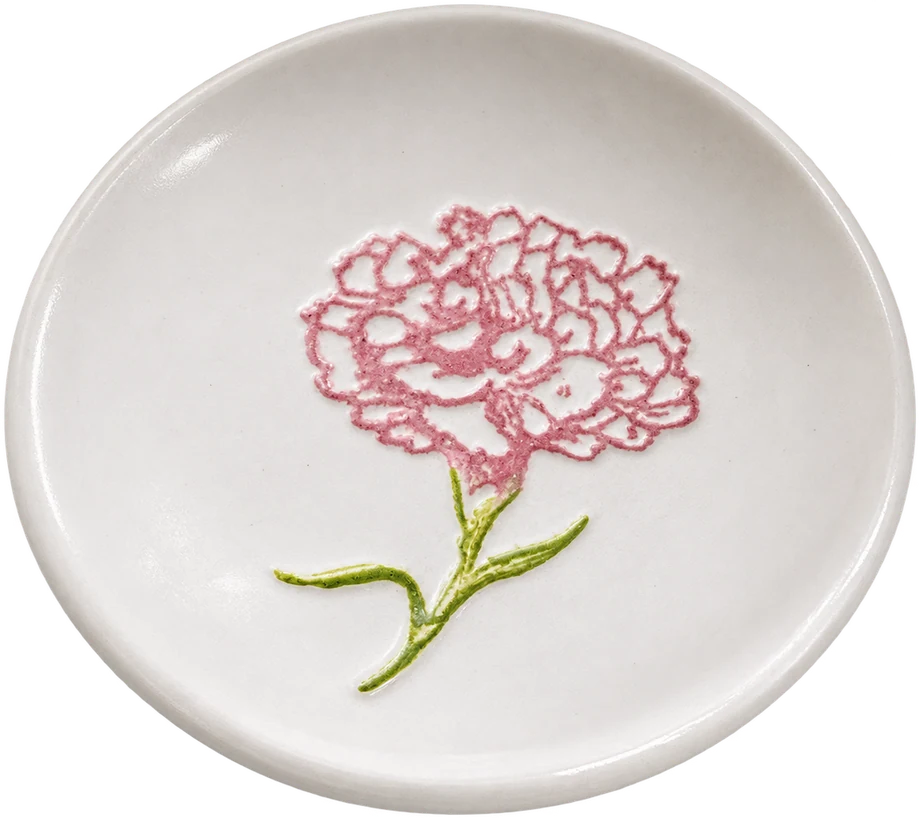 Available
A hand-painted ceramic ring dish with the recipient's birth flower.
 Available
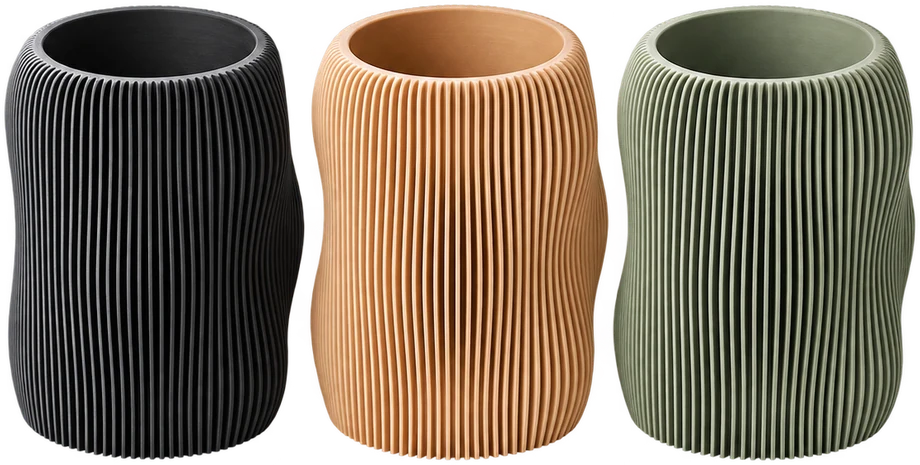
A rippled ceramic pencil holder in earthy tones.
 Available
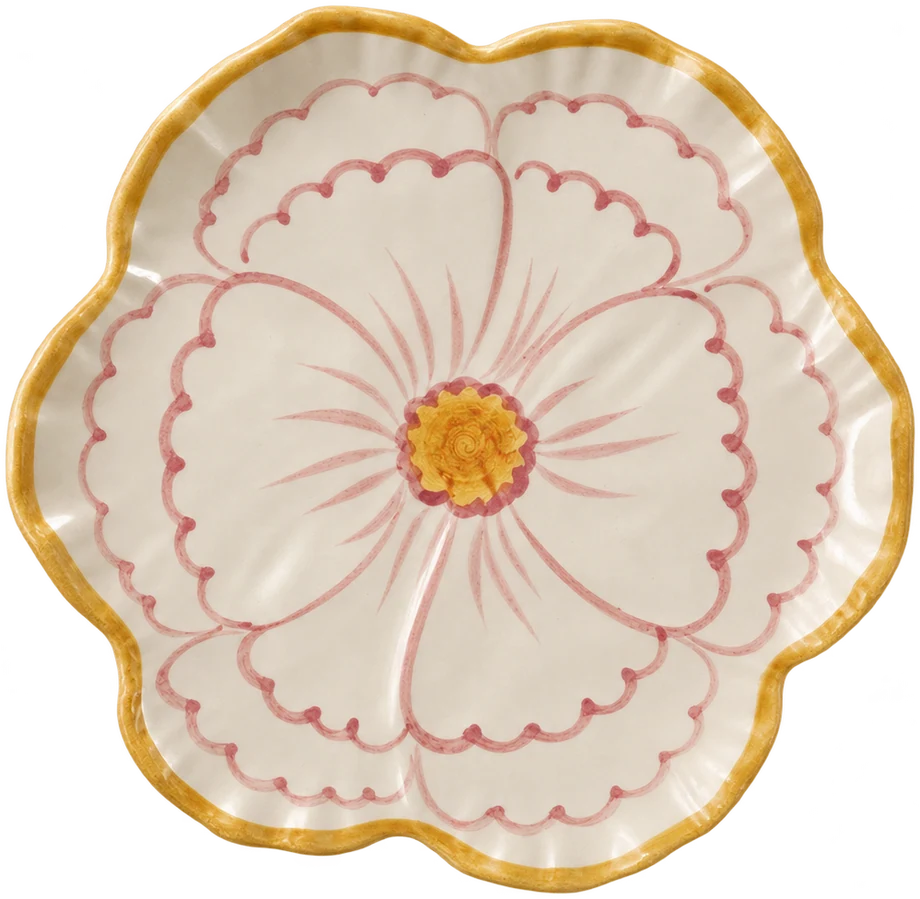
A daisy-shaped ceramic side plate with a gold rim.
 Available
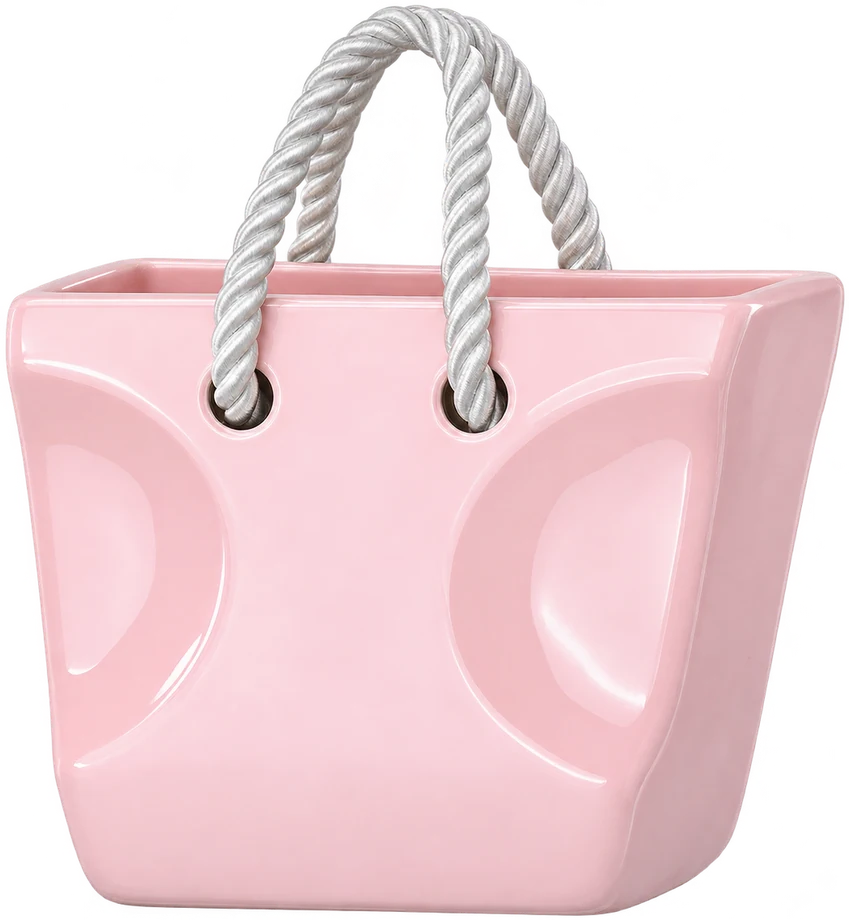
A pink ceramic handbag vase with rope handles.
 Available
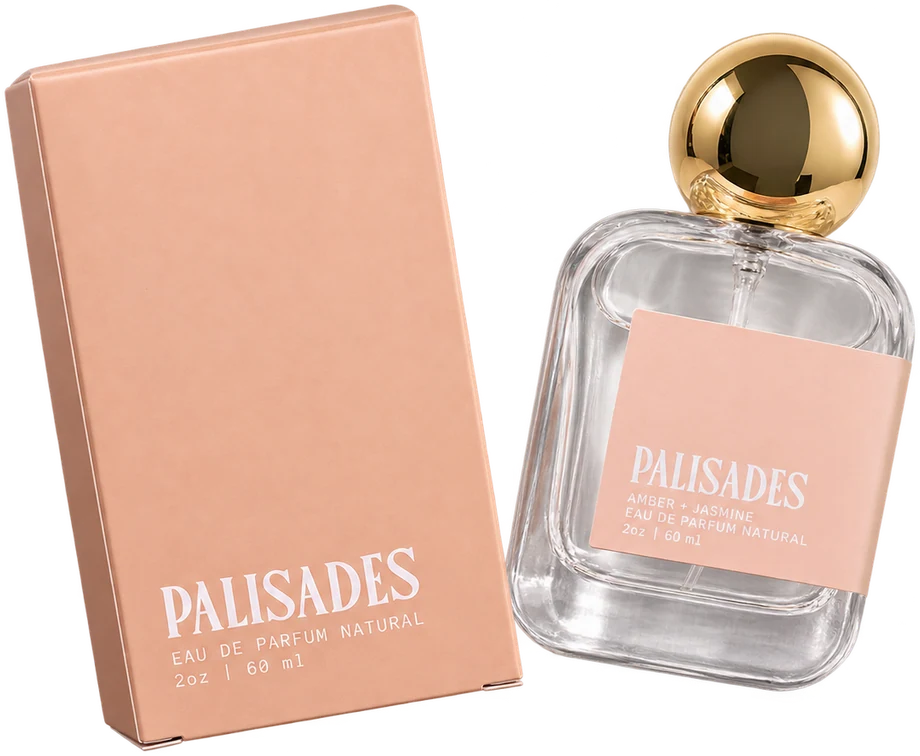
A warm perfume in a peach box, a little reward for a win.
 Available
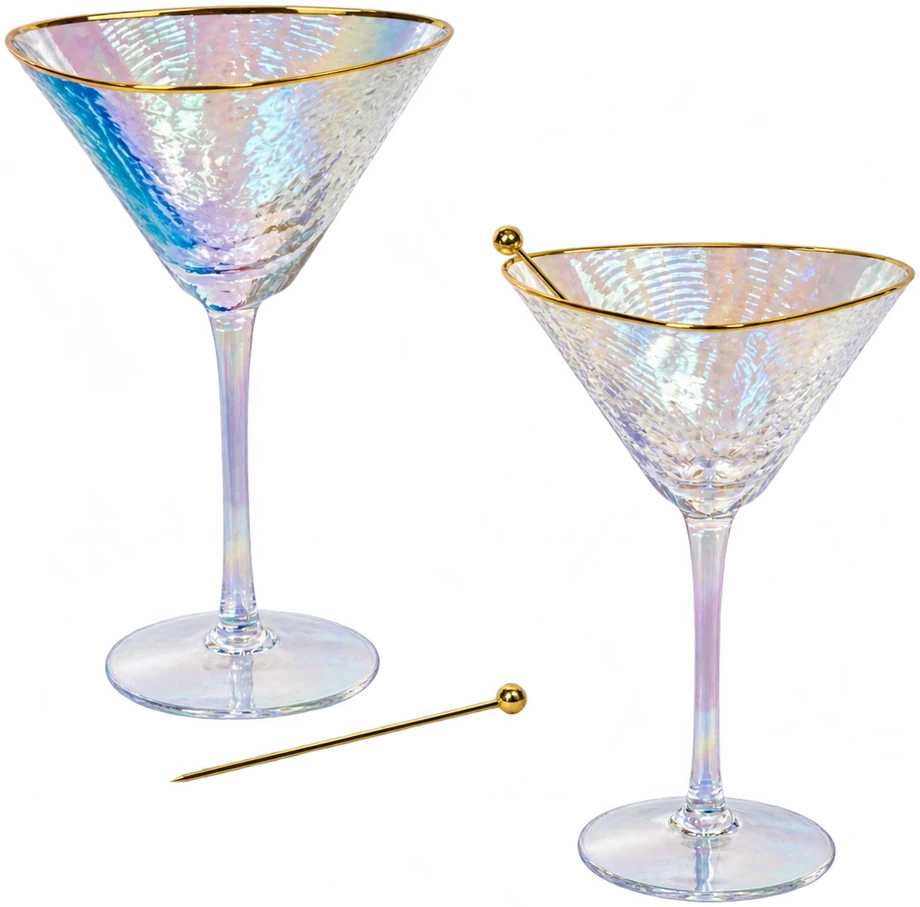
Iridescent hammered martini glasses with gold rims.