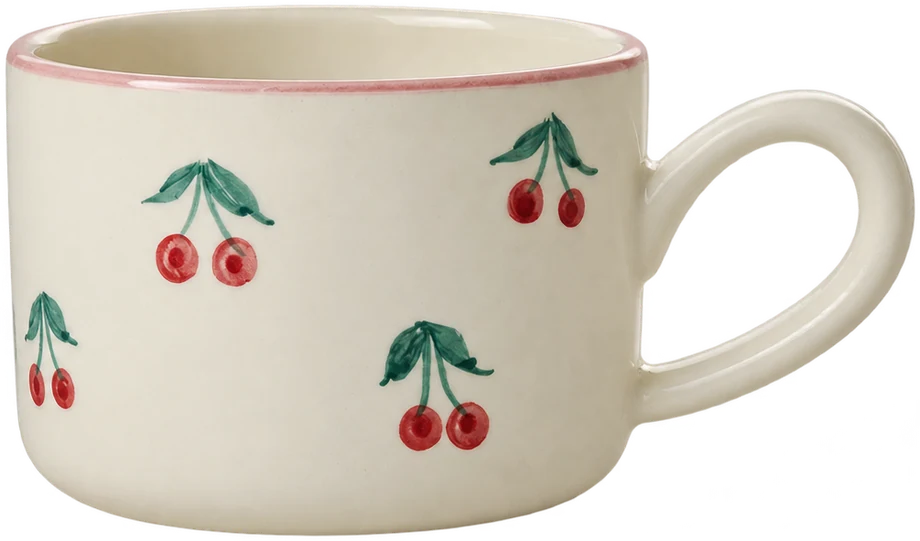
 Available
RICE BY RICE - Ceramic Cappuccino Cup with Hand Painted Cherries - 6.7 oz
A hand-painted cappuccino cup with little cherries.
Wealth★★☆☆Calm★★☆☆Love★★★☆Career★★☆☆
Buy · $26.24 →Yue Lao (月老), also called the Old Man under the Moon, is a deity associated with marriage and matchmaking in Daoist and Chinese folk religious traditions. Official temple accounts connect him with a marriage register and red thread. These are religious narratives, rather than evidence that a particular person is your destined partner. When reading about a visit, distinguish the deity’s identity, the named temple’s information and any event’s actual dates.
This guide uses two official temple profiles and one dated temple event page. It introduces the cultural figure and shows how to read those sources. It is not a complete history, a prayer manual, a live temple directory or a relationship assessment. Lungshan’s profile includes English. Renhai’s relevant text and the detailed event information were read in Chinese and summarized here by EssaColor. Those summaries are not authorized temple translations.
Lungshan Temple’s deity profile uses the names Yuelao Shenjun, Yuexia Laoren and Yue Lao. Its Chinese and English accounts place his matchmaking role in Daoist belief and describe a register of marriages and a red thread connecting a pair. Attribute that explanation to the tradition and source: reading it does not establish anyone’s future relationship.
| Name in a source | How to record it | What it does not establish |
|---|---|---|
| 月老 · Yue Lao | The short name used for this cultural figure. | Which temple a post describes, or whether an event is current. |
| 月下老人 · Yuexia Laoren | The alternative name given in Lungshan’s profile. | A separate deity solely because the spelling differs. |
| 月老神君 · Yuelao Shenjun | The title appearing on Lungshan’s page. | A universal title format for every institution. |
| 月老星君 | The heading in Renhai Temple’s profile. Keep the Chinese wording with its source. | A new matchmaking service, certification or result. |
A useful note preserves the institution’s spelling instead of making every English label identical. You can write “Yue Lao—listed as 月老神君 on Lungshan’s page” and retain the link. This gives the next reader a way back to the record without turning an unfamiliar honorific into another person.
Keep the red-thread story separate from an unidentified bracelet or image. A red cord by itself does not establish who made it, which institution distributed it, or what that institution said it was for. Our red string bracelet guide addresses the importance of cultural context. This page follows Yue Lao’s named temple records.
| Source | What it supports here | Limit |
|---|---|---|
| Lungshan Temple Deity profile | Names and its account of Yue Lao’s religious role. | A profile does not verify current visitor arrangements. |
| Renhai Temple Deity profile | Its own shrine description and a dated institutional ceremony. | Those local details do not transfer to another temple. |
| Lungshan Temple 2026 birthday event page | A historical example of several activities with separate dates and participation arrangements. | It is not a currently open booking or a standing rule for an ordinary visit. |
The exact publication dates of the two profile pages were not established. A footer’s copyright year is not their publication date. The event page gives dates for activities. That also does not reveal when the page was first published or last edited. Record the type of date before using it.
Lungshan places Yue Lao’s profile under its rear-hall group of deities. The page explains the figure’s names and religious association. It does not follow that every activity promoted under his name is a walk-in offering, or that the whole temple is exclusively dedicated to him.
This is a source-reading record, not a route through the halls. The page alone is not a floor plan, an accessibility assessment or permission to enter a particular area. A place description and an invitation to participate are different kinds of information.
Renhai Temple’s deity page describes Yue Lao under the heading 月老星君 in a folk-religious context. It locates the shrine in its second-floor Tai Sui Hall and records a ceremony on December 24, 2011 welcoming the deity for worship. Treat these as Renhai’s own institutional details.
A local ceremony date is not a birth date for the deity or proof that the whole tradition began then. Likewise, Renhai’s floor description cannot locate the shrine at Lungshan. Even when the names refer to the same figure, the institutions’ records stay separate.
Lungshan’s 2026 birthday event page names September 25–26, 2026 as its main activity dates. Its overview distinguishes social activities, lantern painting, music and cultural walks, with different participation arrangements. It also records a September 27 extension for its stamp activity. These dates are past as of this guide’s November 11, 2026 review.
The useful reading skill is to keep the heading of an announcement separate from the activity you intend to join. A shared festival name does not make every row share the same booking method, audience or extension. This page does not reproduce the ritual sequence, age limits, participant quotas, fees, meeting points or registration links.
This original structure is a reading aid, not a diagram of temple practice. An extension mentioned for a stamp activity does not, by itself, extend a guided walk or social gathering. A celebration’s historical main dates also do not prove that all other activities ended on those dates: read the relevant row and its specific notes.
Alex receives a cropped poster labeled “Yue Lao birthday,” with a social activity and a cultural walk. A friend says, “Everything was extended.” Alex can record: “The temple page records an extension for the stamp activity. I have not found an extension for the activity I mean.” Because the event is already past, Alex looks for a current announcement instead of trying to book from the old poster.
The note makes a narrow, checkable statement. It does not say the temple has no current activities, that an unmentioned activity was canceled, or that participation would produce a relationship. Missing information remains a question.
These are hypothetical examples, not temple quotations or current offers.
No. Check each profile’s description and alternative names before separating them. Keep the exact institution and heading in your note. A difference in title or English spacing alone does not establish another identity.
No. An activity-specific extension supports that activity only. Look for a statement about the gathering itself and preserve the original date and source. The absence of such a statement is not proof of cancellation or availability.
No. Ask for the specific institution or original record if provenance matters. The cord’s color and an unverified caption do not establish its source, a universal wearing rule or a guaranteed relationship outcome.
For example: “Read Lungshan’s deity profile. Names confirmed there. Saved the 2026 festival as a historical example. Current cultural-walk availability not checked.” This page has no fields for submitting the card and does not collect personal notes, partner details or birth information.
The Chinese gods guide introduces other named figures. Caishen’s guide shows why an identification needs its own evidence. Those sources do not turn Yue Lao into a universal Buddhist teaching or make every red object a religious item.
Today’s public colors need no birth profile. The separate personal color experience requires sign-in and birth-profile binding, with free access currently enabled. See its method and limits. Neither experience provides a temple booking, prayer service or romantic compatibility result.
EssaColor editorial team · Official source text checked November 11, 2026. Source tables, private records, notice structure and hypothetical questions are original. No temple photographs, posters, PDFs, audio or ritual instructions are reproduced.
8 picks, 8 available now. Prices are set by the store.
AvailableA hand-painted cappuccino cup with little cherries.
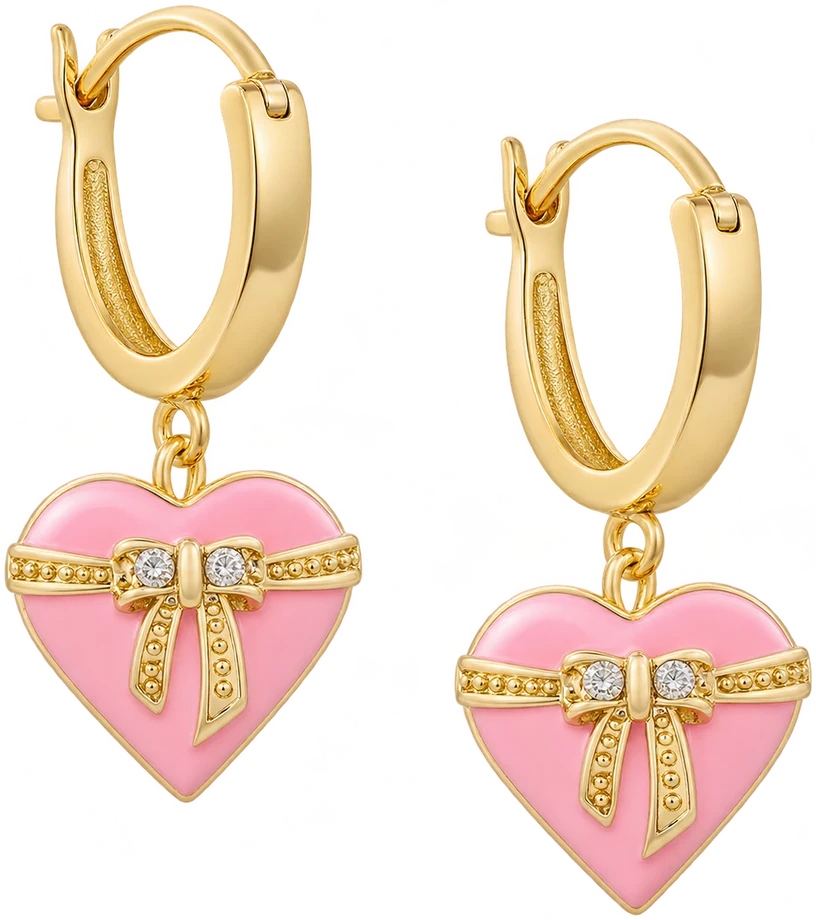 Available
Pink enamel heart-and-bow huggie earrings for Valentine's Day.
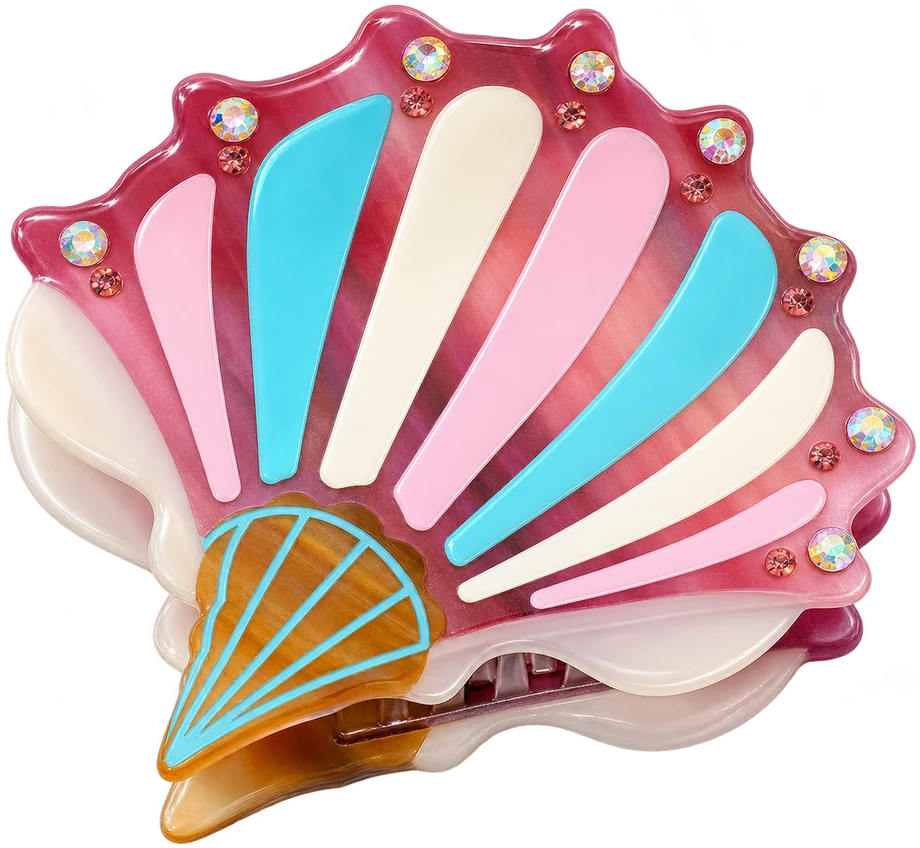 Available
A rainbow seashell hair claw with a rhinestone rim.
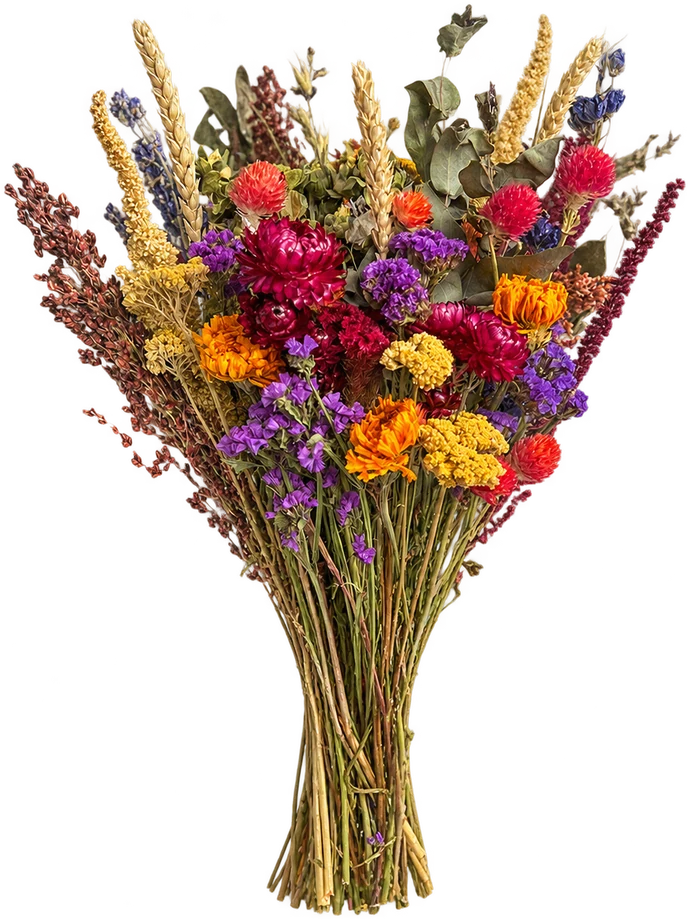 Available
A bright, cheerful dried bouquet that keeps its colour for months.
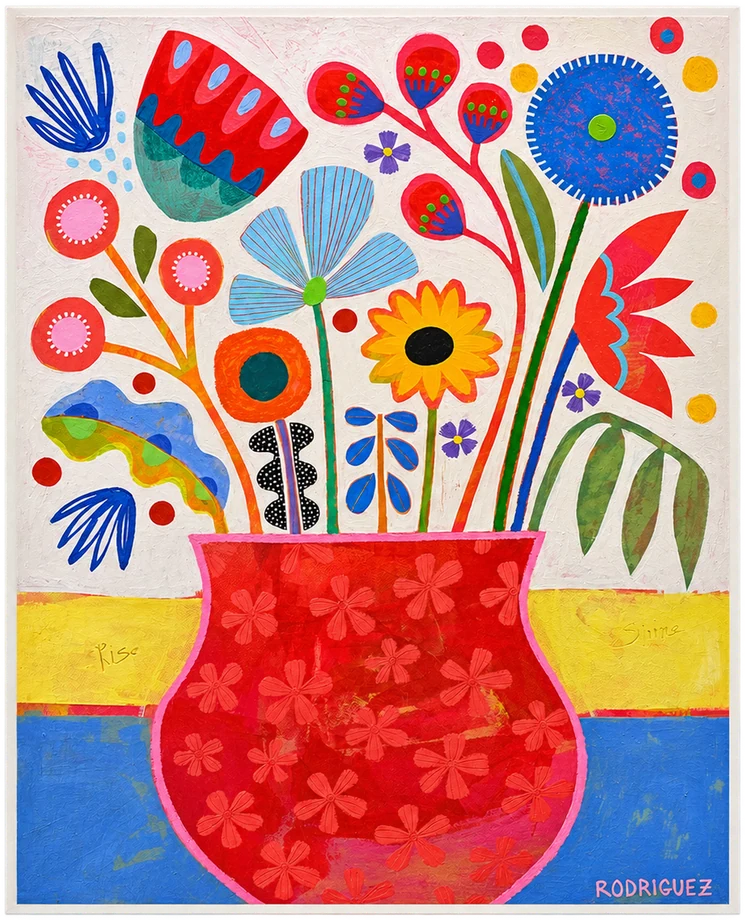 Available
A joyful colour-block print of a red vase full of flowers.
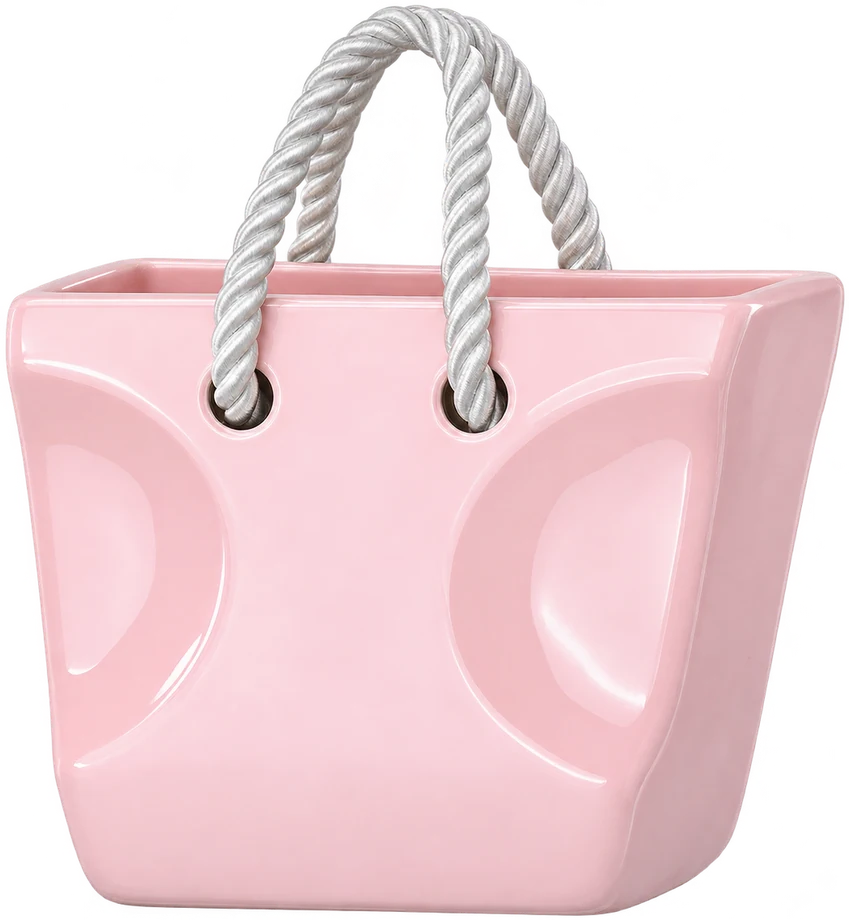 Available
A pink ceramic handbag vase with rope handles.
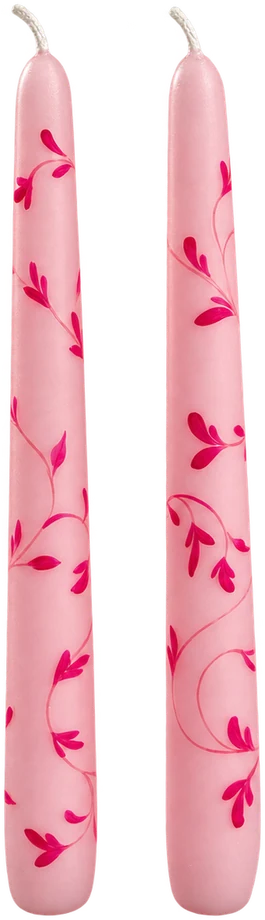 Available
A pair of hand-painted pink taper candles.
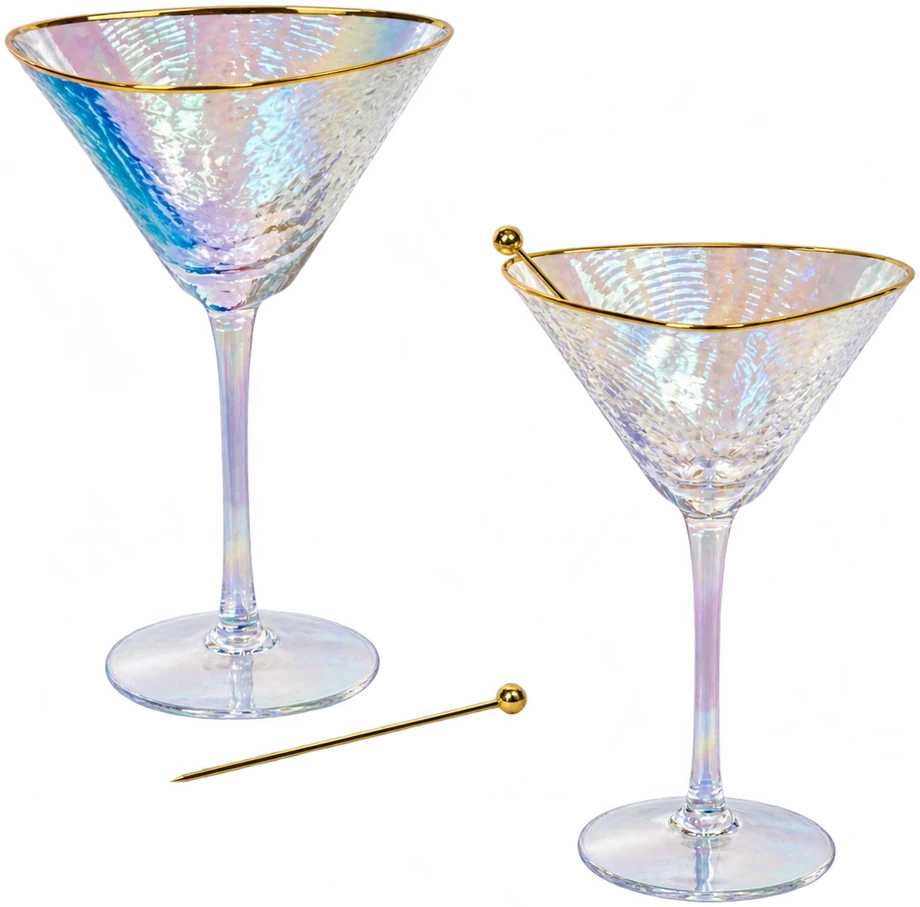 Available
Iridescent hammered martini glasses with gold rims.