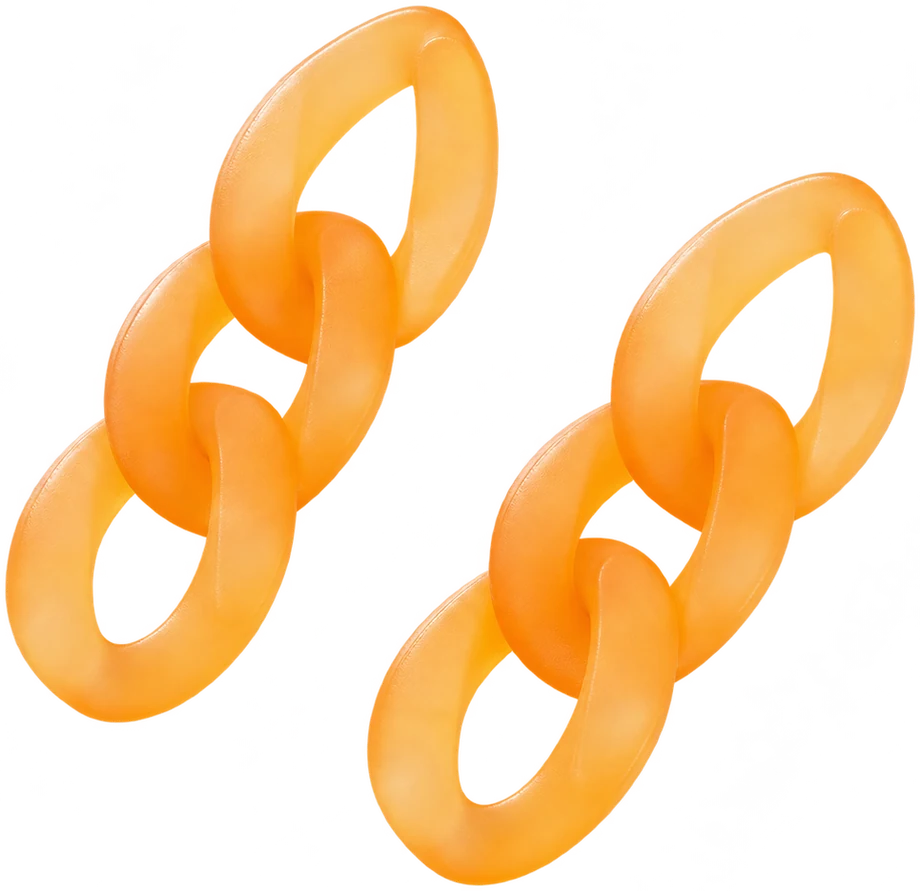
 Available
Candy Colored Hoop Earrings
Candy-orange chain-link earrings.
Wealth★★☆☆Calm★☆☆☆Love★★★☆Career★☆☆☆
Buy · $25 →Wearing a mala is not automatically disrespectful: the Tibetan Nuns Project’s published guidance explicitly allows people who are not Buddhists to wear or use one. That is a named Tibetan Buddhist source, not a statement on behalf of every religion. A general welcome also does not give permission to borrow someone else’s private practice beads or decide a particular community’s expectations.
This guide helps with a wearing, gift or borrowing question. It does not prescribe a ritual, certify cultural approval for every situation or judge a wearer’s religious identity. For definitions and documented objects, start with mala beads meaning. Here the focus is deciding which guidance applies to the item and situation in front of you.
| Source | Relevant guidance | Limit of that evidence |
|---|---|---|
| Tibetan Nuns Project April 25, 2023 | Its Tibetan mala article says Buddhist identity is not required to wear or use a mala, and describes wearing one at the neck or wrist. | The organization also sells malas. Its explanation is useful first-party guidance, not a survey of every Buddhist or other religious community. |
| Himalayan Institute: Rolf Sovik August 18, 2023 | In a yoga and mantra-practice context, the author describes privacy around practice beads and advice to use a different mala for wearing. | This concerns the purpose of a particular set of beads. It does not establish a universal ban on every necklace of beads. |
| Himalayan Art Resources: Jeff Watt Page attribution: July 2013 | The specialist art resource distinguishes sets intended for public use from private practice sets, and discusses boundaries around handling another person’s mala. | This is a contextual reference, not permission from the owner of an unidentified strand or instructions for your own religious practice. |
The first source addresses whether someone outside a Buddhist identity may wear a mala in its stated context. The other two help explain why public wearing and private devotional use can involve different objects. They answer different questions. Neither should be turned into a single rule for all traditions. The dates identify the articles or attribution shown, not a newly verified policy for a specific event.
We use only the wearing and privacy context from these sources. Their ritual instructions, recitation methods, material associations and claims of spiritual or health effects are outside this guide. We have not reproduced photographs, diagrams, mantras or practice sequences, and we do not recommend a seller or purchase.
This is an original question map. It does not rank traditions or assign a sacred status from a bead’s appearance. You can have a clear answer to one box and an unresolved answer to another.
| Situation | What is known | Useful next step |
|---|---|---|
| You own a mala and have a named explanation. | You can read that source’s actual guidance and scope. | Keep its explanation attached to that item. Check the host’s expectations if attending a particular activity. |
| A relative uses a set privately. | It belongs to someone else and has an existing use. | Ask before handling or borrowing it. General information online does not replace the owner’s answer. |
| A decorative strand has no documented religious origin. | You know its appearance and perhaps its maker, but its religious attribution is unconfirmed. | Describe what you know. Do not invent a blessing, lineage or community’s approval from a retail label. |
This is a fictional situation. A friend gives Alex a mala and includes the Tibetan Nuns Project article. Alex can accurately say that the linked guidance welcomes non-Buddhist wearers. Alex cannot turn that into “every community has approved this item” or claim that the gift initiates a religious practice.
Before attending a particular group, Alex might ask: “I received this as a gift and would like to wear it. Does your group have guidance for visitors?” The question seeks local expectations without asking the host to endorse every use of malas.
This is a separate fictional situation. Jordan likes a relative’s mala and wants to wear it to a gathering. An article welcoming wearers does not settle this request: the object already belongs to the relative and may have a private devotional use.
Jordan can ask: “Would you be comfortable with me borrowing this, or would you prefer that it stay with your practice things?” If the relative declines, Jordan can accept that answer without requesting a private mantra, vow or explanation. The owner need not disclose personal practice to decline a loan.
These are editorial conversation steps, not religious requirements. If someone expresses discomfort, you can listen and clarify the specific concern without demanding that they represent an entire tradition. You can also choose another accessory while a particular question remains unresolved.
No. It gives a verifiable answer from that organization in its stated Tibetan Buddhist context. Preserve that scope when you repeat it. Do not turn it into a claim of unanimous approval.
No. The cited discussions distinguish the use of particular sets of beads. Read which object and practice the advice concerns before extending it to a different wearer.
A styling choice does not answer an ownership question. This guide supplies no universal wrist, count or color rule. Ask about the particular item. Do not infer permission from its appearance.
This is text to copy into your own notes. The page has no submission field, and the note does not need names of private teachers, birth details, vows or mantras. A useful record can simply say “owner prefers not to lend.”
For broader context, read Buddhism: an introduction and the guide to choosing a Buddhist community activity. Our red string bracelet guide discusses a different object with its own sources. Its customs do not transfer to a mala.
Today’s public colors require no birth information. The separate My Colors experience requires sign-in and a bound birth profile and is currently free. Its method and limits concern cultural color styling. It does not determine religious permission, identify a private practice object or provide initiation or a meditation program.
EssaColor editorial team · Sources checked November 11, 2026. Question map, situations, conversation prompts and decision note are original editorial material. No claim of religious consensus or guaranteed spiritual effect.
8 picks, 8 available now. Prices are set by the store.
AvailableCandy-orange chain-link earrings.
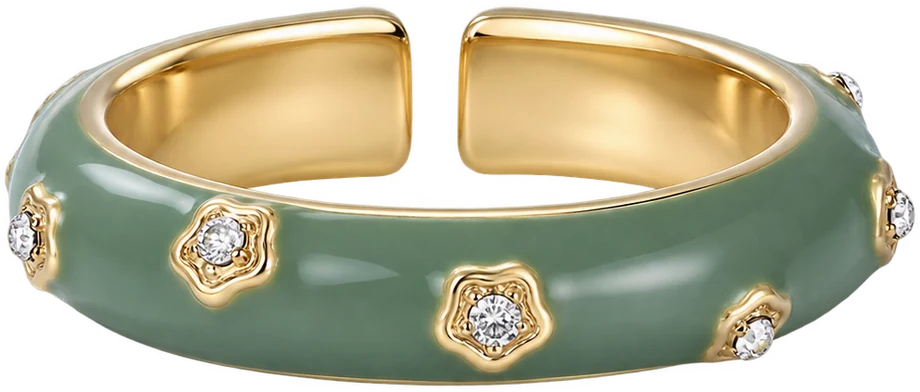 Available
Gold band rings dripped with colourful enamel.
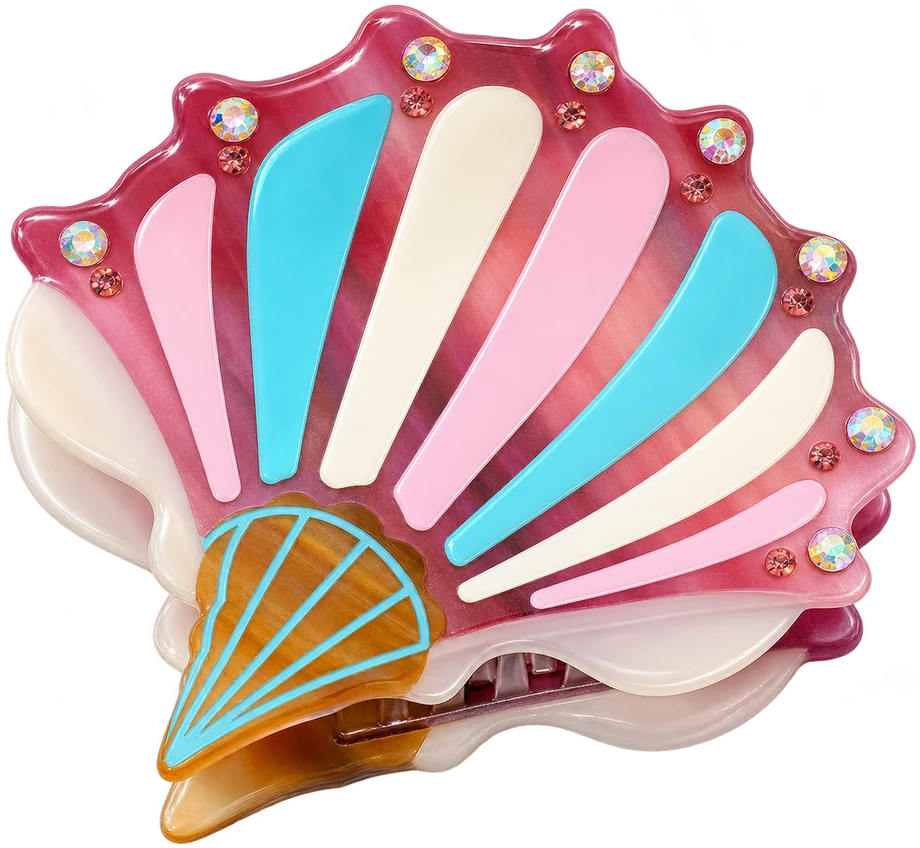 Available
A rainbow seashell hair claw with a rhinestone rim.
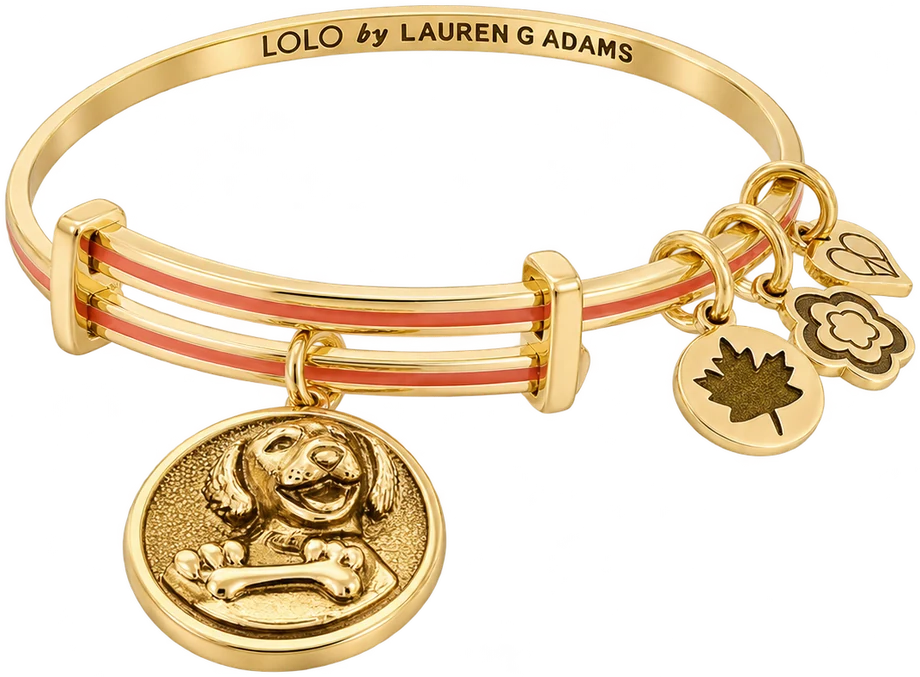 Available
An adjustable gold bangle with a puppy charm.
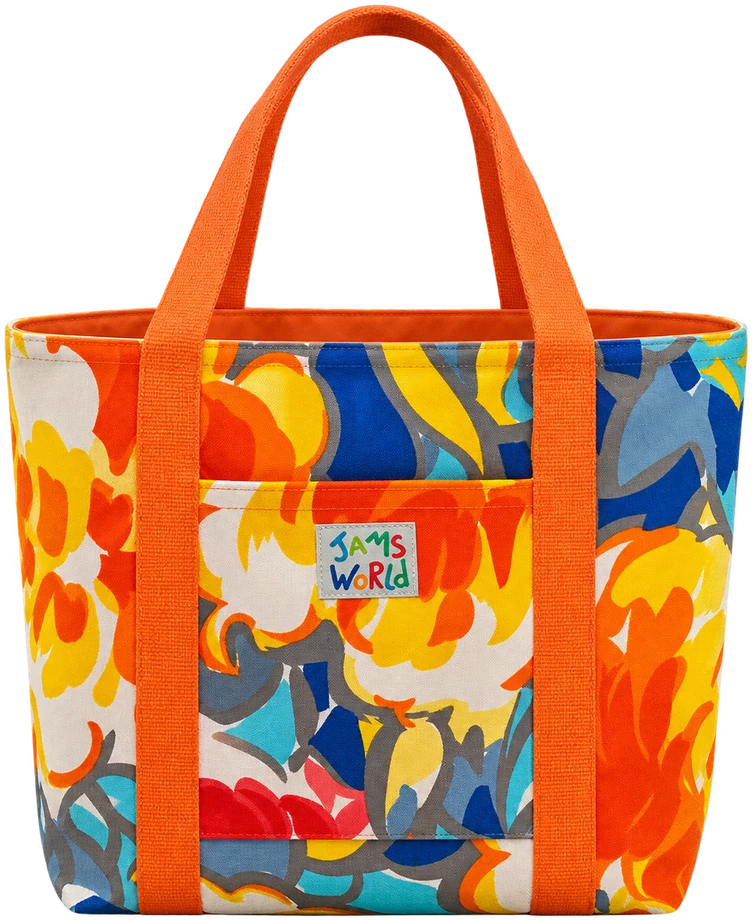 Available
A bright floral lined tote in sunny oranges and blues for weekend escapes.
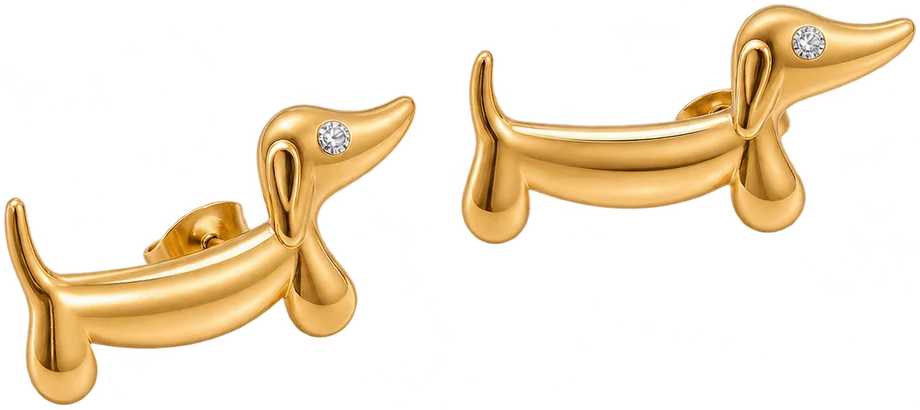 Available
Gold dachshund stud earrings.
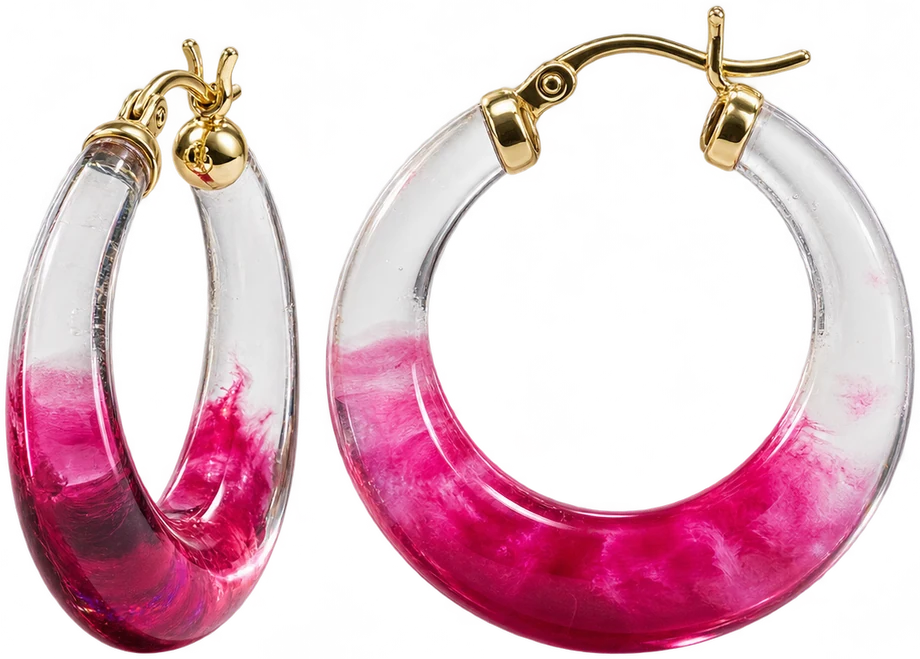 Available
Hand-painted graduated lucite hoops in fuchsia.
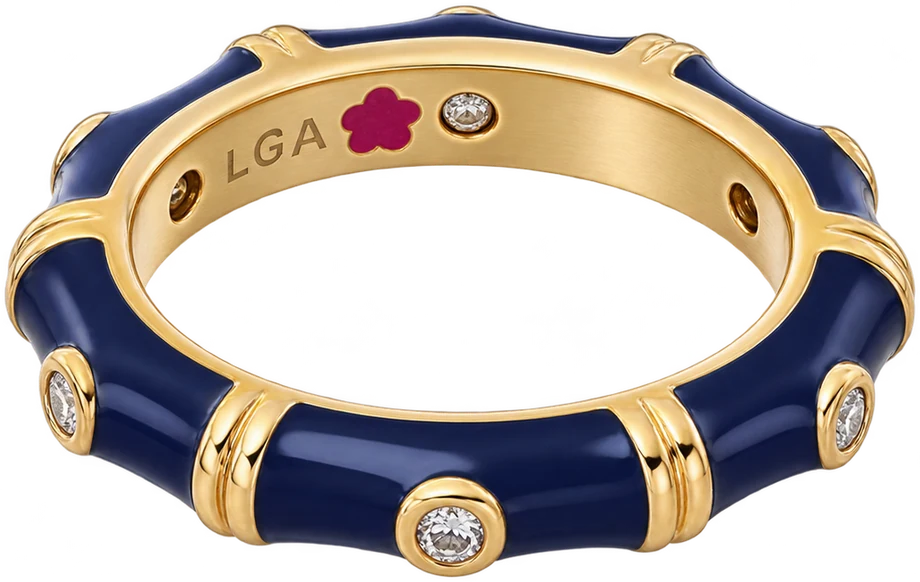 Available
A navy enamel stacking ring dotted with colourful crystals.